


Note: Ingredients listed on restricted chemical lists
EC/CAS
1310-58-3
Name of the chemical
potassium hydroxide
Concentration
>=3-<=7
General Information
Revision date
2026-05-22
Product name
CREJ2
supplier name
Roche Diagnostics
Emergency telephone
1-800-428-5074, 1-800-424-9300, 1-703-527-3887
Icons in SDS


Company Information
company name
Roche Diagnostics
GHS Information
Signal word
Danger
Hazard Codes
Hazard statements (CLP)
H314, H373
Hazard statements
Code
Statements
H314
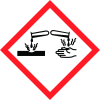
Causes severe skin burns and eye damage
Section 2
SECTION 2: Hazards identification
Other hazards
None known
Signal word
Danger
Hazard statements
H314 Causes severe skin burns and eye damage. H373 May cause damage to organs (Respiratory system) through prolonged or repeated exposure if inhaled.
Supplemental label elements
Corrosive to the respiratory tract.
Prevention
P260 Do not breathe mist or vapors. P264 Wash skin thoroughly after handling. P280 Wear protective gloves, protective clothing, eye protection and face protection.
Response
P301 + P330 + P331 IF SWALLOWED: Rinse mouth. Do NOT induce vomiting. P303 + P361 + P353 IF ON SKIN (or hair): Take off immediately all contaminated clothing. Rinse skin with water/ shower. P304 + P340 + P310 IF INHALED: Remove person to fresh air and keep comfortable for breathing. Immediately call a POISON CENTER/ doctor. P305 + P351 + P338 + P310 IF IN EYES: Rinse cautiously with water for several minutes. Remove contact lenses, if present and easy to do. Continue rinsing. Immediately call a POISON P314 Get medical advice/ attention if you feel unwell. P363 Wash contaminated clothing before reuse.
Storage
P405 Store locked up.
Disposal
P501 Dispose of contents/ container to an approved waste disposal plant.
2.1 Classification of the substance or mixture
1910.1200) Hazards for the product as supplied Skin corrosion : Sub-category 1B Serious eye damage : Category 1 Specific target organ toxicity : Category 2 (Respiratory system) - repeated exposure (Inhalation) Other hazards None known. GHS label elements Hazard pictograms : Signal Word : Danger Hazard Statements : H314 Causes severe skin burns and eye damage. H373 May cause damage to organs (Respiratory system) through prolonged or repeated exposure if inhaled. Supplemental Hazard : Corrosive to the respiratory tract. Statements Precautionary Statements : Prevention: P260 Do not breathe mist or vapors. P264 Wash skin thoroughly after handling. P280 Wear protective gloves, protective clothing, eye protection and face protection. Response: P301 + P330 + P331 IF SWALLOWED: Rinse mouth. Do NOT induce vomiting. P303 + P361 + P353 IF ON SKIN (or hair): Take off immediately all contaminated clothing. Rinse skin with water/ shower. P304 + P340 + P310 IF INHALED: Remove person to fresh air and keep comfortable for breathing. Immediately call a POISON CENTER/ doctor. P305 + P351 + P338 + P310 IF IN EYES: Rinse cautiously with water for several minutes. Remove contact lenses, if present and easy to do. Continue rinsing. Immediately call a POISON CENTER/ doctor. P314 Get medical advice/ attention if you feel unwell. P363 Wash contaminated clothing before reuse. Storage: P405 Store locked up. Disposal: P501 Dispose of contents/ container to an approved waste disposal plant. SECTION 3. COMPOSITION/INFORMATION ON INGREDIENTS Substance / Mixture : Mixture Components Chemical name CAS No./Unique Concentration (% w/w) Trade ID secret Potassium hydroxide 1310-58-3* >= 3 - <= 7 TSC (K(OH)) tri-potassiumphosphate- 27176-10-9* >= 1 - <= 5 TSC monohydrate Tripotassium hydrogen 65501-24-8* >= 1 - <= 5 TSC



