




Note: Ingredients listed on restricted chemical lists
General Information
Revision date
2017-01-10
Product name
Zinc
CAS No.
7440-66-6
1.2.1 Relevant identified uses
Electroplating, Electrogalvanizing, Galvanizing, Sacrificial Anode
Manufacturer Name
Ritchey Metals Company, Inc
Icons in SDS


Company Information
company name
Ritchey Metals Company, Inc
GHS Information
Signal word
Danger
Section 2
Hazard statements
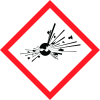
Zinc in solid metallic form is a non-hazardous material as per the OSHA Hazard Communication Standard. The coating produced by this material in electroplating and galvanizing operations is generally classified as non-hazardous. However, some hazardous elements contained in this product can be emitted under certain processing conditions such as but not limited to: burning, melting, cutting, sawing, brazing, grinding, machining, milling, and welding. Products in the solid state generally present no fire or explosion hazard, but fine chips, powders and dust may ignite readily. This material may present an explosion hazard if placed directly into molten metal without adequate pre-heating to assure all entrained moisture is eliminated. Potential Health and Safety Effects: Zinc in solid metallic form present little hazard to the health of those who come into contact with it. Zinc oxide fume is formed when zinc alloy is heated to, or near, the boiling point of zinc, or burned. Zinc oxide may cause mild local irritation to nose, throat and upper airways. Acute over-exposure to zinc oxide may cause metal fume fever, characterized by flu-like symptoms such as chills, fever, nausea and vomiting. The onset of these symptoms may be delayed from exposure by 3 to 10 hours. Contact of zinc with acids and alkalis generate flammable hydrogen gas which can accumulate in poorly ventilated areas, Contact with acidic solutions of arsenic and antimony compounds may evolve highly toxic gasses. Contact of powered material with strong oxidizers may produce violent reactions. In most cases, dermal exposure to zinc or compounds of zinc does not result in any notable toxic effects. There are no known carcinogenetic or mutagenic effects from exposure to zinc and zinc compounds. Explosive condition if placed into molten metal with entrained moisture Flammable solid in powder or dust form Fine powder and dust may cause eye irritation May cause allergy or asthma symptoms or breathing difficulties if inhaled (dust or fume) May cause damage to respiratory system through prolonged or repeated exposure Toxic to aquatic life
Environmental effects
Zinc has relatively low bioavailability and produces no short term ecological risks However, long term exposure to weathering, especially in aquatic environments, can produce an accumulated toxicity to marine life. Zinc does have a potential to bio-accumulate in plants and animals, in both aquatic and terrestrial environments.
2.1 Classification of the substance or mixture
Not a hazardous substance according to GHS
2.2 Label elements
These hazards primarily exist only during processing operations)
Signal word
Danger
HMIS® ratings
Health 1 Health 1 Flammability 1 Fire 1 Reactivity 1 Reactivity 1 Specific Hazard Not Available Personal C


