

Note: Ingredients listed on restricted chemical lists
EC/CAS
92-87-5
Name of the chemical
Benzidin
Concentration
N/A
EC/CAS
67-56-1
Name of the chemical
Methanol
Concentration
N/A
General Information
Revision date
2021-09-16
Product name
Benzidine Standard
Product Synonyms
None Known
Chemical name
Benzidine Standard
1.2.2. Uses advised against
Uses other than those described above
supplier name
Restek Corporation
Manufacturer Name
Restek Corporation
Emergency telephone
00 1 800-424-9300
Icons in SDS
Company Information
company name
Restek Corporation
e-mail address of the competent person responsible for the Safety Data Sheet
sds@restek.com, sales@thamesrestek.co.uk
GHS Information
Signal word
Danger
Section 2
SECTION 2: Hazards identification
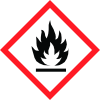
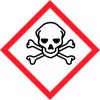
Emergency Overview : Harmful to aquatic life. Causes damage to organs. May cause cancer. Toxic if swallowed or in contact with skin. Highly flammable liquid and vapor.
Hazard statements
Categories Classified in accordance with GB Carcinogenicity Category 1A 30000.2-2013 - GB 30000.29-2013 : Specific Target Organ Systemic Toxicity (STOT) - Single Exposure Category 1 Flammable Liquid Category 2 Acute Toxicity - Dermal Category 3 Acute Toxicity - Oral Category 3 Hazardous to the aquatic environment - Acute Category 3 Highly flammable liquid and vapour. Toxic if swallowed or in contact with skin. May cause cancer. Causes damage to organs. Harmful to aquatic life.
Signal word
Danger
Precautionary statements
Preventative Measures : Obtain special instructions before use. Do not handle until all safety precautions have been read and understood. Keep away from heat/sparks/open flames/hot surfaces. No smoking. Keep container tightly closed. Ground/bond container and receiving equipment. Use explosion-proof electrical/ventilation and lighting equipment. Use only non-sparking tools. Take precautionary measures against static discharge. Do not breathe dust/fume/gas/mist/vapours/spray. Wash hands and skin thoroughly after handling. Do not eat, drink or smoke when using this product. Avoid release to the environment. Wear protective gloves/protective clothing/eye protection/face protection. Accident response : IF SWALLOWED: Immediately call a POISON CENTER/doctor. IF ON SKIN: Wash with plenty of soap and water. IF ON SKIN (or hair): Take off immediately all contaminated clothing. Rinse skin with water/shower. IF exposed or concerned: Call a POISON CENTER/doctor. IF exposed or concerned: Get medical advice/attention. Call a POISON CENTER/doctor if you feel unwell. Specific treatment see section 4. Rinse mouth. Take off immediately all contaminated clothing and wash it before reuse. In case of fire: Use extinguishing media in section 5 to extinguish. Safe storage : Keep container tightly closed. Store in a well-ventilated place. Keep cool. Store locked up.
Disposal
Dispose of contents/container according to section 13 of the SDS.
Physical hazards
Highly flammable liquid and vapor. Chemical hazards : Causes damage to organs. May cause cancer. Toxic if swallowed or in contact with skin.
Health hazards
Route of exposure (e.g. inhalation, Inhalation, Skin Contact, Eye Contact, Ingestion skin contact, eye contact, ingestion) : Frequency and duration of No data available exposure (e.g. single, repeated, lifelong) : Severity of the harmful effect (e.g. No data available minor, moderate or severe) : Target organs (e.g. liver, kidneys, Liver, Kidney, and Heart. lungs, skin, etc.) : Category of effect (e.g. irritation, No data available skin allergic reaction, birth defect, tumor, hematological effect, etc.) : Symptoms and signs appearing Coma and death post-exposure : Conditions known to be No data available exacerbated following exposure :
Interactions with other chemicals
No data available capable of increasing toxicity (e.g. methyl ethyl ketone is able to enhance the neurotoxicity of n- hexane):
Environmental hazards
Harmful to aquatic life.
2.3 Other hazards
None Known



