

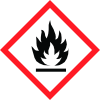
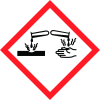
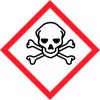


Note: Ingredients listed on restricted chemical lists
EC/CAS
67-56-1
Name of the chemical
Methanol
Concentration
99.5
General Information
Version
4.0
Revision date
2026-02-25
Product name
Acrolein Standard
1.2.1 Relevant identified uses
Laboratory use,The product is intended for research, analysis and scientific education
supplier name
Restek
Manufacturer Name
Restek
Emergency telephone
1-800-424-9300, 00 1 703-741-...
Icons in SDS


Company Information
company name
Restek
GHS Information
Signal word
Danger
Hazard Codes
Hazard statements (CLP)
H225, H302, H314, H318, H331, H350, H370, H401, H411
Hazard statements
Code
Statements
H225
Highly Flammable liquid and vapour
Section 2
SECTION 2: Hazards identification
Classification of the substance or mixture GHS US classification Flammable liquid, Category 2 H225 Highly flammable liquid and vapor Acute toxicity (oral), Category 4 H302 Harmful if swallowed Acute toxicity (inhalation:dust,mist), Category 3 H331 Toxic if inhaled Skin corrosion/irritation, Category 1 H314 Causes severe skin burns and eye damage Serious eye damage/eye irritation, Category 1 H318 Causes serious eye damage Carcinogenicity, Category 1B H350 May cause cancer Specific target organ toxicity — Single exposure, Category 1 H370 Causes damage to organs Hazardous to the aquatic environment — Acute Hazard, Category 2 H401 Toxic to aquatic life Hazardous to the aquatic environment — Chronic Hazard, Category 2 H411 Toxic to aquatic life with long lasting effects Full text of H statements see section 16
2.2 Label elements
GHS US labeling
Signal word
Danger
Hazard statements
H225 - Highly flammable liquid and vapor H302 - Harmful if swallowed H314 - Causes severe skin burns and eye damage H331 - Toxic if inhaled H350 - May cause cancer. H370 - Causes damage to organs. H401 - Toxic to aquatic life H411 - Toxic to aquatic life with long lasting effects
Precautionary statements
P201 - Obtain special instructions before use. P202 - Do not handle until all safety precautions have been read and understood. P210 - Keep away from heat, hot surfaces, sparks, open flames and other ignition sources. No smoking. P233 - Keep container tightly closed. P240 - Ground/Bond container and receiving equipment. 2.3. Hazards associated with known or reasonably anticipated uses No additional information available
2.3 Other hazards
No additional information available 2.5. Unknown acute toxicity No additional information available
2.1 Classification of the substance or mixture
GHS US classification Flammable liquid, Category 2 H225 Highly flammable liquid and vapor. Acute toxicity (oral), Category 4 H302 Harmful if swallowed. Acute toxicity (inhalation:dust,mist), Category 3 H331 Toxic if inhaled. Skin corrosion/irritation, Category 1 H314 Causes severe skin burns and eye damage. Serious eye damage/eye irritation, Category 1 H318 Causes serious eye damage. Carcinogenicity, Category 1B H350 May cause cancer. Specific target organ toxicity — Single exposure, Category 1 H370 Causes damage to organs. Hazardous to the aquatic environment — Acute Hazard, Category 2 H401 Toxic to aquatic life. Hazardous to the aquatic environment — Chronic Hazard, Category 2 H411 Toxic to aquatic life with long lasting effects. Full text of H statements : see section 16



