




Note: Ingredients listed on restricted chemical lists
EC/CAS
231-100-4/55-63-0
Name of the chemical
Nitroglycerin; Propane-1,2,3-triyl trinitrate
Concentration
48% 53% 159-6 17% 175-3 21% 001-00- 10% 20% 100-4 3% 240-8
EC/CAS
121-14-2
Name of the chemical
2,4-Dinitrotoluene
Concentration
450-0 1.8% 007-00- <1% <1% 111-4 <1% 153-3
EC/CAS
231-153-3/122-39-4
Name of the chemical
Diphenylamine
Concentration
539-4 0.8% 026-00-
EC/CAS
84-74-2
Name of the chemical
Dibutyl phthalate
Concentration
557-4 0.8% 318-00- 0.5% 146-5 0.2% 149-1 0.2% 148-6 001-00-
General Information
Revision date
2010-10-25
Product name
Rifle (Electronically-Fired) Loaded Round
Product Synonyms
• Centerfire Rifle Loaded Rounds (Electrically-Fired)
1.2.1 Relevant identified uses
• Hunting or target shooting
Manufacturer Name
Remington Arms
Emergency telephone
(800) 424-9300
Icons in SDS


Company Information
company name
Remington Arms
GHS Information
Signal word
WARNING
Hazard Codes
Hazard statements (CLP)
H204, H335, H411
Hazard statements
Code
Statements
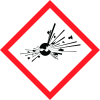
H204
Fire or projection hazard
Section 2
SECTION 2: Hazards identification
OSHA HCS 2012 EU/EEC According to: Regulation (EC) No
2.2 Label elements
CLP WARNING
Hazard statements
H204 - Fire or projection hazard H335 - May cause respiratory irritation H411 - Toxic to aquatic life with long lasting effects Fire or projection hazard May cause an allergic skin reaction May cause respiratory irritation May damage fertility or the unborn child.
Prevention
P210 - Keep away from heat, sparks, open flames and/or hot surfaces. - No smoking. P240 - Ground and/or bond container and receiving equipment. P250 - Do not subject to grinding/shock/friction. P261 - Avoid breathing dust or fume. P271 - Use only outdoors or in a well-ventilated area. P273 - Avoid release to the environment. P280 - Wear protective gloves/protective clothing/eye protection/face protection. Obtain special instructions before use. Do not handle until all safety precautions have been read and understood. Keep away from heat, sparks, open flames and/or hot surfaces. - No smoking. Ground and/or bond container and receiving equipment. Do not subject to grinding/shock/friction. Avoid breathing dust or fume. Use only outdoors or in a well-ventilated area. Contaminated work clothing should not be allowed out of the workplace. Wear protective gloves/protective clothing/eye protection/face protection.
Response
P370+P380 - In case of fire: Evacuate area. P373 - DO NOT fight fire when fire reaches explosives. P374 - Fight fire with normal precautions from a reasonable distance. P304+P340 - IF INHALED: Remove victim to fresh air and keep at rest in a position comfortable for breathing. P312 - Call a POISON CENTER or doctor/physician if you feel unwell. P391 - Collect spillage. Storage/Disposal • P401 - Store in accordance with local, regional, national, and/or international regulations. P403+P233 - Store in a well-ventilated place. Keep container tightly closed. P405 - Store locked up. P501 - Dispose of content and/or container in accordance with local, regional, national, and/or international regulations. In case of fire: Evacuate area. DO NOT fight fire when fire reaches explosives. Fight fire with normal precautions from a reasonable distance. IF INHALED: Remove victim to fresh air and keep at rest in a position comfortable for breathing. Call a POISON CENTER or doctor/physician if you feel unwell. If on skin: Wash with plenty of water . Specific treatment, see supplemental first aid information. Wash contaminated clothing before reuse. If skin irritation or rash occurs: Get medical advice/attention. IF exposed or concerned: Get medical advice/attention. Storage/Disposal • Store in accordance with local, regional, national, and/or international regulations. Store in a well-ventilated place. Keep container tightly closed. Store locked up. Dispose of content and/or container in accordance with local, regional, national, and/or international regulations.
2.1 Classification of the substance or mixture
CLP • Explosives 1.4 - H204 Specific Target Organ Toxicity Single Exposure 3: Respiratory Tract Irritation - H335 Hazardous to the aquatic environment Chronic 2 - H411


