


Note: Ingredients listed on restricted chemical lists
EC/CAS
9004-70-0
Name of the chemical
Nitrocellulose
Concentration
>=65-<=75%
EC/CAS
67-63-0
Name of the chemical
Propan-2-ol
Concentration
>=25-<=35%
General Information
Revision date
2024-09-29
Product name
Nitrocellulose
Product Synonyms
DHX 30-50 IPA 70 30; DHX 8-13 IPA 70 30; Nitrocellulose RS 1/2; Nitrocellulose RS 1/4; Nitrocellulose RS 1/8; NQ Cotton
Chemical name
Nitrocellulose Isopropanol Wetted
1.2.1 Relevant identified uses
Industrial use in the manufacture of paints and varnishes
Emergency telephone
+61-2-97333000, +64-9-2506222, +1-424-675-3200, +60-3-5614-2111, +64-4-9179888, +60-4-6536-999
Icons in SDS


Company Information
company name
Redox Ltd
GHS Information
Signal word
Warning
Hazard Codes
Hazard statements (CLP)
H207, H319, H336
Hazard statements
Code
Statements
H207
Fire or projection hazard; increased risk of explosion if desensitizing agent is reduced
Section 2
SECTION 2: Hazards identification
Poisons Schedule (Aust) Not Scheduled Redox Ltd 2 Swettenham Road Locked Bag 15 +61 2 9733 3000 www.redox.com Corporate Ofce Minto NSW 2566 +61 2 9733 3111 sydney@redox.com Sydney Australia Australia ABN 92 000 762 345 Globally Harmonised System Hazard Classification Hazardous according to the criteria of the Globally Harmonised System of Classification and Labelling of Chemicals (GHS)
Hazard categories
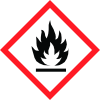
Desensitized Explosives - Category 3 Serious Eye Damage/Irritation - Category 2 Specific Target Organ Toxicity (Single Exposure) - Category 3 Pictograms
Signal word
Warning Hazard Statements H207 Fire or projection hazard; increased risk of explosion if desensitizing agent is reduced H319 Causes serious eye irritation H336 May cause drowsiness or dizziness
Prevention
P210 Keep away from heat/sparks/open flames/hot surfaces. No smoking. P261 Avoid breathing dusts or mists. P271 Use only outdoors or in a well-ventilated area. P280 Wear protective gloves/protective clothing/eye protection/face protection. P212 Avoid heating under confinement or reduction of the desensitized agent. P230 Keep wetted with alcohol.
Response
P337 + P313 If eye irritation persists: Get medical advice. P312 Call a POISON CENTER or doctor if you feel unwell. P305 + P351 + P338 IF IN EYES: Rinse cautiously with water for several minutes. Remove contact lenses, if present and easy to do. Continue rinsing. P304 + P340 IF INHALED: Remove victim to fresh air and keep comfortable for breathing. P370 + P380 + P375 In case of fire: Evacuate area. Fight fire remotely due to the risk of explosion.
Storage
P403 + P233 Store in a well-ventilated place. Keep container tightly closed. P405 Store locked up. P401 Store in accordance with local regulations as applicable.
Disposal
P501 Dispose of contents/container in accordance with local / regional / national / international regulations. National Transport Commission (Australia) Australian Code for the Transport of Dangerous Goods by Road & Rail (ADG Code)
Classifications
Dangerous Goods according to the criteria of the Australian Code for the Transport of Dangerous Goods by Road & Rail (ADG Code) Safe Work Australia
2.1 Classification of the substance or mixture
Hazard Categories Desensitized Explosives - Category 3 Serious Eye Damage/Irritation - Category 2 Specific Target Organ Toxicity (Single Exposure) - Category 3 Pictograms Signal Word Warning Hazard Statements H207 Fire or projection hazard; increased risk of explosion if desensitizing agent is reduced. H319 Causes serious eye irritation. H336 May cause drowsiness or dizziness. Precautionary Statements Prevention



