

Note: Ingredients listed on restricted chemical lists
EC/CAS
85409-23-0
Name of the chemical
Alkyl (C12-C14) dimethyl(ethylbenzyl)ammonium chloride
Concentration
10-20 10-20
EC/CAS
231-838-7/68391-01-5
Name of the chemical
Alkyl (C12-18) dimethylbenzyl ammonium chloride
Concentration
<2.5
General Information
Revision date
2022-05-20
Product name
Refresh Tablets
Chemical name
Organic/Inorganic
1.2.1 Relevant identified uses
Evaporator cooler treatment
Manufacturer Name
RectorSeal LLC
Emergency telephone
(800) 424-9300, (703) 527-3887
Icons in SDS


Company Information
company name
RectorSeal LLC
GHS Information
Signal word
Danger
Hazard Codes
Hazard statements (CLP)
H314, H330, H410, H500
Hazard statements
Code
Statements
H314
Causes severe skin burns and eye damage
Section 2
SECTION 2: Hazards identification
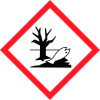
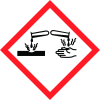
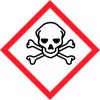
GHS Classification GHS CLASSIFICATION Physical hazards: Combustible dust Health hazards Acute toxicity, oral: Category 4 Acute toxicity, inhalation: Category 2 Skin corrosion/irritation: Category 1 Serious eye damage/eye irritation: Category 1 Hazardous to the aquatic environment, acute hazards: Category 1 Hazardous to the aquatic environment long-term hazard: Category 1 Hazards Identification GHS Label elements, including precautionary statements Pictogram Skull and Crossbones (GHS06) Corrosive (GHS05) Environment (GHS09) Signal Word: Danger Hazard Statements H302 - Harmful if swallowed H314 - Causes severe skin burns and eye damage H330 - Fatal if inhaled H410 - Very toxic to aquatic life with long lasting effects H500 - May form combustible dust concentrations in air
Precautionary statements
P102 - Keep out of reach of children. P262 - Do not get in eyes, on skin, or on clothing. P264 - Wash hands thoroughly after handling. P280 - Wear protective gloves/protective clothing/eye protection/face protection. P301+, P310 - IF SWALLOWED: Immediately call a POISON CENTER or doctor/physician. P303 IF ON SKIN (or hair): Take off immediately all contaminated clothing. Rinse skin with water/shower. P304 IF INHALED: Remove person to fresh air and keep comfortable for breathing. P305+, P351+, P338 - IF IN EYES: Rinse cautiously with water for several minutes. Remove contact lenses, if present and easy to do. Continue rinsing. P362 - Take off contaminated clothing and wash before reuse. P370 - In case of fire: Use appropriate media to extinguish. P391 - Collect spillage. Combustible Dust Hazard: May form combustible dust concentrations in air (during processing).
Storage
P403+404+405: Store in a well-ventilated place. Store in a closed container. Store locked up.
Disposal
P501 - Dispose of contents/ container to an approved waste disposal plant. SUMMARY OF ACUTE HAZARDS - Causes severe eye burns. Route of exposure, Signs and Symptoms INHALATION - N/A EYE CONTACT - Corrosive: Causes severe eye burns. SKIN CONTACT - Skin irritation. INGESTION - This product may be harmful or fatal if swallowed. SUMMARY OF CHRONIC HAZARDS - None known.
Medical Conditions Generally Aggravated by Exposure
May induce severe gastroenteric distress (vomiting, gastroenteric pain, and local corrosion and hemorrhages), prostration, anuria, hematuria, anemia, increase in white blood cells, icterus, coma, respiratory difficulties, and circulatory failure.
2.1 Classification of the substance or mixture
Physical hazards: Combustible dust Health hazards Acute toxicity, oral: Category 4 Acute toxicity, inhalation: Category 2 Skin corrosion/irritation: Category 1 Serious eye damage/eye irritation: Category 1 Hazardous to the aquatic environment, acute hazards: Category 1 Hazardous to the aquatic environment long-term hazard: Category 1



