


Note: Ingredients listed on restricted chemical lists
EC/CAS
75-09-2
Name of the chemical
Methylene chloride
Concentration
>60
EC/CAS
67-56-1
Name of the chemical
Methanol
Concentration
10-<30
EC/CAS
64742-95-6
Name of the chemical
Solvent naphtha (petroleum), light arom
Concentration
<10
General Information
Version
10.1
Revision date
2023-03-10
Product name
Uni Strip
Product name
Uni Strip
Identification on the label/Trade name
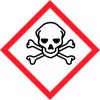
TOXIC LIQUID, ORGANIC, N.O.S. (contains methanol and methylene chloride)
Product Synonyms
Not Available
Chemical name
Not Applicable
1.2.1 Relevant identified uses
For removing dried paint and varnish from wooden surfaces applied by brush Use according to manufacturer"s directions
Icons in SDS


Company Information
company name
Recochem
e-mail address of the competent person responsible for the Safety Data Sheet
salesorders@recochem.com
GHS Information
Signal word
Danger
Hazard Codes
Hazard statements (CLP)
H301, H312, H315, H320, H331, H351, H360D, H370, H373, H412
Hazard statements
Code
Statements
H301
Toxic if swallowed
Section 2
SECTION 2: Hazards identification
No 1272/2008 Classification of the substance or mixture
Signal word
Danger
Hazard statements
Page 1 continued... H301 Toxic if swallowed. H312 Harmful in contact with skin. H315 Causes skin irritation. H320 Causes eye irritation. H331 Toxic if inhaled. H351 Suspected of causing cancer. H360D May damage the unborn child. H370 Causes damage to organs. H373 May cause damage to organs through prolonged or repeated exposure. H412 Harmful to aquatic life with long lasting effects.
Supplemental label elements
Not Applicable
Prevention
P202 Do not handle until all safety precautions have been read and understood. P260 Do not breathe mist/vapours/spray. P264 Wash all exposed external body areas thoroughly after handling. P270 Do not eat, drink or smoke when using this product. P271 Use only a well-ventilated area. P280 Wear protective gloves and protective clothing. P273 Avoid release to the environment.
Response
P301+P310 IF SWALLOWED: Immediately call a POISON CENTER/doctor/physician/first aider. P308+P311 IF exposed or concerned: Call a POISON CENTER/doctor/physician/first aider. P330 Rinse mouth. P304+P340 IF INHALED: Remove person to fresh air and keep comfortable for breathing. P305+P351+P338 IF IN EYES: Rinse cautiously with water for several minutes. Remove contact lenses, if present and easy to do. Continue rinsing. P337+P313 If eye irritation persists: Get medical advice/attention. P302+P352 IF ON SKIN: Wash with plenty of water. P332+P313 If skin irritation occurs: Get medical advice/attention. P362+P364 Take off contaminated clothing and wash it before reuse.
Storage
P403+P233 Store in a well-ventilated place. Keep container tightly closed. P405 Store locked up.
Disposal
P501 Dispose of contents/container to authorised hazardous or special waste collection point in accordance with any local regulation.
2.1 Classification of the substance or mixture
Toxicity - Single Exposure Category 1, Specific Target Organ Toxicity - Repeated Exposure Category 2, Hazardous to the Aquatic Environment Long-Term Hazard Category 3 Legend: 1. Classified by Chemwatch; 2. Classification drawn from HCIS; 3. Classification drawn from Regulation (EU) No 1272/2008 - Annex VI



