

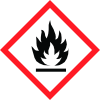
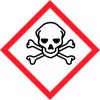


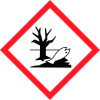
General Information
Revision date
2015-10-13
Product name
ENT
1.2.1 Relevant identified uses
Please refer to Product label 3/ AD =
supplier name
Recochem Inc.
Manufacturer Name
Recochem Inc.
Icons in SDS


Company Information
company name
Recochem Inc.
GHS Information
Signal word
Danger
Hazard Codes
Hazard statements (CLP)
H226, H304, H315, H319, H331, H335, H336, H340, H350, H411
Hazard statements
Code
Statements
H226
Flammable liquid and vapour
Section 2
SECTION 2: Hazards identification
2.1 Classification of the substance or mixture
Flammable liquid - Category 3; Acute toxicity (Inhalation) - Category 3; Skin corrosion/irritation - Category 2; Serious eye damage/eye irritation - Category 2A; Germ cell mutagenicity - Category 1B; Carcinogenicity - Category 1B; Specific target organ toxicity (single exposure) - Category 3; Aspiration hazard - Category 1; Aquatic hazard (Chronic) - Category 2
Signal word
Danger
Hazard statements
H226 Flammable liquid and vapour. H304 May be fatal if swallowed and enters airways. H315 Causes skin irritation. H319 Causes serious eye irritation. H331 Toxic if inhaled. H335 May cause respiratory irritation. H336 May cause drowsiness or dizziness. H340 May cause genetic defects. H350 May cause cancer. H411 Toxic to aquatic life with long lasting effects.
Prevention
P201 Obtain special instructions before use. P202 Do not handle until all safety precautions have been read and understood. P210 Keep away from heat, sparks, open flames, and hot surfaces. — No smoking.
Product definition
SOLVENT SDS No.: 1568 Page 01 of P233 Keep container tightly closed. P240 Ground/bond container and receiving equipment. P241 Use explosion-proof electrical, ventilating, lighting, and other equipment. P242 Use only non-sparking tools. P243 Take precautionary measures against static discharge. P261 Avoid breathing fume, mist, vapours, Spray. P264 Wash hands and skin thoroughly after handling. P271 Use only outdoors or in a well-ventilated area. P273 Avoid release to the environment. P280 Wear protective gloves/eye protection/face protection. SOLVENT SDS No.: 1568 Page 02 of Inhalation Take precautions to ensure your own safety before attempting rescue (e.g. wear appropriate protective equipment). Remove source of exposure or move to fresh air. Keep at rest in a position comfortable for breathing. Call a Poison Centre or doctor if you feel unwell or are concerned. Skin Contact Avoid direct contact. Wear chemical protective clothing if necessary. Take off contaminated clothing, shoes and leather goods (e.g. watchbands, belts). Wash gently and thoroughly with lukewarm, gently flowing water and mild soap for 5 minutes. Call a Poison Centre or doctor if you feel unwell or are concerned. If skin irritation occurs get medical advice/attention. Thoroughly clean clothing, shoes and leather goods before reuse or dispose of safely. Eye Contact Avoid direct contact. Wear chemical protective gloves if necessary. Quickly and gently blot or brush chemical off the face. Immediately rinse the contaminated eye(s) with lukewarm, gently flowing water for 15-20 minutes, while holding the eyelid(s) open. Remove contact lenses, if present and easy to do. Take care not to rinse contaminated water into the unaffected eye or onto the face. If eye irritation persists, get medical advice/attention. ingestion Do not induce vomiting. Rinse mouth with water. Never give anything by mouth if victim is rapidly losing consciousness, or is unconscious or convulsing. Do not induce vomiting. If vomiting occurs naturally, lie on your side in the recovery position. Rinse mouth with water again. If breathing has stopped, trained personnel should immediately begin rescue breathing. Immediately call a Poison Centre or doctor. Most Important Symptoms and Effects, Acute and Delayed No specific treatment. Treat symptomatically. Contact poison treatment specialist immediately if large quantities have been ingested or inhaled. Immediate Medical Attention and Special Treatment Target Organs Eyes, skin, respiratory system. Special Instructions No specific treatment. Treat symptomatically. Contact poison treatment specialist immediately if large quantities have been ingested or inhaled. SOLVENT SDS No.: 1568 Page 03 of SECTION 6. ACCIDENTAL RELEASE MEASURES oe ee EET anon ee JARO aa Personal Precautions, F Protective Equipment, and Emergency Procedures No special precautions are necessary. Evacuate downwind locations. Use the personal protective equipment recommended in Section 8 of this safety data sheet. Increase ventilation to area or move leaking container to a well-ventilated and secure area. Eliminate all ignition sources. Use grounded, explosion-proof equipment. Environmental Precautions Do not allow into any sewer, on the ground or into any waterway. Methods and Materials for Containment and Cleaning Up Stop leak if without risk. Move containers from spill area. Approach release from upwind. Prevent entry into sewers, water courses, basements or confined areas. Wash spillages into an effluent treatment plant or proceed as follows. Contain and collect spillage with non-combustible, absorbent material e.g. sand, earth, vermiculite or diatomaceous earth and place in container for disposal according to local regulations (see section 13). Use spark-proof tools and explosion-proof equipment. Dispose of via a licensed waste disposal contractor. Contaminated absorbent material may pose the same hazard as the spilled product. Note: see section 1 for emergency contact information and section 13 for waste disposal. SECTION 7, HANDLING Precautions for Put on appropriate personal protective equipment (see section 8). Eating, drinking and smoking should be prohibited in areas where this material is handled, stored and processed. Workers should wash hands and face before eating, drinking and smoking. Do not ingest. Avoid contact with eyes, skin and clothing. Avoid breathing vapour or mist. Use only with adequate ventilation. Wear appropriate respirator when ventilation is inadequate. Do not enter storage areas and confined spaces unless adequately ventilated. Keep in the original container or an approved alternative made from a compatible material, kept tightly closed when not in use. Store and use away from heat, sparks, open flame or any other ignition source. Use explosion-proof electrical (ventilating, lighting and material handling) equipment. Use non-sparking tools. Take precautionary measures against electrostatic discharges. To avoid fire or explosion, dissipate static electricity during transfer by grounding and bonding containers and equipment before transferring material. Empty containers retain product residue and can be hazardous. Do not reuse container. Conditions for Safe Storage Store in accordance with local regulations. Store in a segregated and approved area. Store in original container protected from direct sunlight in a dry, cool and well-ventilated area, away from incompatible materials (see section 10) and food and drink. Eliminate all ignition sources. Separate from oxidizing materials. Keep container tightly closed and sealed until ready for use. Containers that have been opened must be carefully resealed and kept upright to prevent leakage. Do not store in unlabeled containers. Use appropriate containment to avoid environmental contamination. Control Parameters ACGIH TLV® SOLVENT SDS No.: 1568 Page 04 of equipment and intrinsically safe electrical systems in areas where this product is used and stored. Control static electricity discharges which includes bonding of equipment to ground. Use only non-combustible, compatible materials for walls, floors, ventilation system, air cleaning devices, pallets, shelving. Provide eyewash and safety shower if contact or splash hazard exists. Individual Protection Measures Eye/Face Protection Wear chemical safety goggles. Skin Protection Wear chemical protective clothing e.g. gloves, aprons, boots. Respiratory Protection Not normally required if product is used as directed. For non-routine or emergency situations: wear a NIOSH approved air-purifying respirator with an appropriate cartridge. ee epnerennes SECTION 9. PHYSICAL AND ( HEMICAL ROPERTIES. AR a cee Basic Physical and | Chemical Properties SOLVENT SDS No.: 1568 Page 05 of Open flames, sparks, static discharge, heat and other ignition sources. Temperatures above 43.0 °C (109.4 °F) Incompatible Materials Reacts explosively with: strong oxidizing agents (e.g. perchloric acid). Not corrosive to metals. Hazardous Decomposition Products None known. SECTION 11. TOXICOLOGI Likely Routes of Exposure ~ Skin contact; eye contact; inhalation. Acute Toxicity Chemical Name LC50 LD50 (oral) LD50 (dermal) Stoddard solvent > 5500 mg/m3 (rat) (4-hour | 5000 mg/kg (rat) > 3000 mg/kg (rabbit) exposure) Naphthalene 739.2 mg/m3 (rat) (4-hour | 316 mg/kg (mouse) > 20000 mg/kg (rabbit) exposure) n-Nonane 3200 ppm (rat) (4-hour 15 g/kg (rat) Not available exposure) 1,2,4-Trimethylbenzene 18000 mg/m3 (rat) 5000 mg/kg (rat) Not available LC50: Not applicable. LD50 (oral): Not applicable. LD50 (dermal): Not applicable. Skin Corrosion/irritation Animal tests show moderate or severe irritation. Serious Eye Damagellrritation Human experience shows mild irritation. The vapour also irritates the eyes. STOT (Specific Target Organ Toxicity) - Single Exposure Inhalation May cause depression of the central nervous system. Symptoms may include headache, nausea, dizziness, drowsiness and confusion. Nose and throat irritation. At high concentrations. Skin Absorption No information was located. Ingestion Product Identifier: SOLVENT SDS Na.: 1568 Page 06 of Not harmfu! based on animal tests. Aspiration Hazard Can cause lung damage if aspirated based on human experience. Death can result. STOT (Specific Target Organ Toxicity) - Repeated Exposure Causes damage to organs based on studies in people. If inhaled: effects similar to STOT (Specific Target Organ Toxicity) - Single Exposure, as described above, effects on the central nervous system, "organic solvent syndrome". Causes Following skin contact: dermatitis. Symptoms may include dry, red, cracked skin (dermatitis). effects similar to STOT (Specific Target Organ Toxicity) - Single Exposure, as described above. May cause damage to organs based on limited evidence. If inhaled and/or following skin contact: at high concentrations harmful effects on the kidneys, harmful effects on the liver. May cause damage to organs based on limited evidence. If inhaled and/or following skin contact: blood tests may show abnormal results. Respiratory and/or Skin Sensitization No information was located. No information was located. Carcinogenicity Chemical Name IARC ACGIH® NTP OSHA Stoddard solvent Group 3 Not designated Not Listed Naphthalene Group 2B A3 Reasonably Not Listed anticipated n-Nonane Not Listed Not designated Not Listed 1,2,4-Trimethylbenzene Not Listed Not designated Not Listed Reproductive Toxicity Development of Offspring Conclusions cannot be drawn from the limited studies available. Sexual Function and Fertility No information was located. Effects on or via Lactation No information was located. Germ Cell Mutagenicity May be mutagenic based on limited evidence. (Stoddard solvent) Interactive Effects No information was located. BS Toxicity Acute Aquatic Toxicity Chemical Name LC50 Fish EC50 Crustacea Sents Aquatic ErC50 Algae Stoddard solvent Not available Naphthalene 0.9-9.8 mg/L Not available (Oncorhynchus mykiss (rainbow trout); 96-hour; fresh water) n-Nonane Not available 1,2,4-Trimethylbenzene 7.72 mg/L Not available (Pimephales promelas (fathead Product Identifier: SOLVENT SDS No.: 1568 Page 07 of |minnow); 96-hour) Chronic Aquatic Toxicity Chemical Name NOEC Fish EC50 Fish NOEC Crustacea EC50 Crustacea Stoddard solvent Not available Naphthalene 1.8 mg/L Not available (Oncorhynchus mykiss (rainbow trout); 3 days; fresh water) n-Nonane Not available 1,2,4-Trimethylbenzene (Not available Not available Persistence and Degradability No information was located. Bioaccumulative Potential No information was located. Mobility in Soil No information was located. Other Adverse Effects There is no information available. SECTION 13. DISPOSAL | Disposal Methods The generation of waste should be avoided or minimized wherever possible. Empty containers or liners may retain some product residues. This material and its container must be disposed of in a safe way. Dispose of surplus and non- recyclable products via a licensed waste disposal contractor. Disposal of this product, solutions and any by-products should at all times comply with the requirements of environmental protection and waste disposal legislation and any regional local authority requirements. Avoid dispersal of spilled material and runoff and contact with soil, waterways, drains and sewers. . oe Transport Hazard | Regulation Packing UN No. Proper Shipping Name Class(es) Group Canadian TDG /|1268 PETROLEUM DISTILLATES 3 ll US DOT 1268 PETROLEUM DISTILLATES . 3 Hil Environmental Potential Marine Pollutant (1,2,4-Trimethylbenzene) Hazards Special Precautions Please note: In containers of 450 L or less this product is not classified as a Dangerous Good for User according to TDG Exemption 1.33 In containers of 450L of less, this product meets the requirements of DOT exemption as per 49 CFR, section 173.150 (f).
Response
P301 + P310 IF SWALLOWED: Immediately call a POISON CENTRE/doctor. P331 Do NOT induce vomiting. P303 + P361 + P353 IF ON SKIN (or hair): Take off immediately all contaminated clothing. Rinse skin with water/shower. P312 Calla POISON CENTRE/doctor if you feel unwell. P362 + P364 Take off contaminated clothing and wash it before reuse. P332 + P313 lf skin irritation occurs: Get medical advice/attention. P304 + P340 IF INHALED: Remove person to fresh air and keep comfortable for breathing. P312 Call a POISON CENTRE/doctor if you feel unwell. P305 + P351 + P338 IF IN EYES: Rinse cautiously with water for several minutes. Remove contact lenses, if present and easy to do. Continue rinsing. P312 Call a POISON CENTRE/doctor if you feel unwell. P337 + P313 If eye irritation persists: Get medical advice/attention. P308 + P313 IF exposed or concerned: Get medical advice/attention. P370 + P378 In case of fire: Use appropriate foam, carbon dioxide, water spray or fog, dry chemical powder to extinguish. P391 Collect spillage.
Storage
Store in a well ventilated place. Keep cool. Keep container tightly closed. Store locked up.
Disposal
Dispose of contents/container in accordance with applicable regional, national and local laws and regulations. Mixture: Chemical Name CAS No. % Other Identifiers Stoddard solvent 8052-41-3 60-100 n-Nonane 111-84-2 1-5 1,2,4-Trimethylbenzene 95-63-6 1-5 Naphthalene 91-20-3 0.1-1 Notes The specific chemical identity and/or exact percentage of composition (concentration) has been withheld as a trade secret. First-aid Measures
Medical Conditions Generally Aggravated by Exposure
Dermatitis. SECTION 5. FIRE-FIG Extinguishing Media - Suitable Extinguishing Media Carbon dioxide, dry chemical powder, appropriate foam, water spray or fog. Unsuitable Extinguishing Media None known. Specific Hazards Arising from the Chemical Flammable liquid and vapour, Can ignite at room temperature. Releases vapour that can form explosive mixture with air. Can be ignited by static discharge. Can accumulate static charge by flow, splashing or agitation. Liquid can float on water and may travel to distant locations and/or spread fire. See Section 9 (Physical and Chemical Properties) for flash point and explosive limits. Closed containers may rupture violently when heated releasing contents. In a fire, the following hazardous materials may be generated: irritating chemicals; toxic chemicals; very toxic carbon monoxide, carbon dioxide. Special Protective Equipment and Precautions for Fire-fighters Review Section 6 (Accidental Release Measures) for important information on responding to leaks/spills. See Skin Protection in Section 8 (Exposure Controls/Personal Protection) for advice on suitable chemical protective materials.
Appearance/Odor
Clear liquid. Hydrocarbon Odour Threshold Not available pH Not available Melting Point/Freezing Point -76 °C (-105 °F) (melting); -76 °C (-105 °F) (freezing) Initial Boiling Point/Range 159 - 195 °C (318 - 383 °F) Flash Point 43 °C (109 °F) (closed cup) Evaporation Rate 0.1 (n-butyl acetate = 1) Flammability (solid, gas) Not applicable Upper/Lower Flammability or 5.6% (upper); 0.8% (lower) Explosive Limit Vapour Pressure 3.98 - 4.50 mm Hg (0.53 - 0.60 kPa) at 25 °C Vapour Density (air = 1) 5 Relative Density (water = 1) 0.788 at 15°C Solubility Insoluble in water; Not available (in other liquids) Partition Coefficient, Not available n-Octanol/Water (Log Kow) Auto-ignition Temperature 260 °C (500 °F) Decomposition Temperature Not available Viscosity 1.21 centistokes at 25 °C (kinematic); Not available (dynamic) .
Further information
Physical State Liquid Molecular Weight Not applicable SECTION 10. STABILITY AND REACTIVITY cr eeammennrnitremrneer Reactivity - None known. Chemical Stability Normally stable. Possibility of Hazardous Reactions None known. Conditions to Avoid



