



Note: Ingredients listed on restricted chemical lists
EC/CAS
203-777-6/110-54-3
Name of the chemical
n-Hexan (790/2009)
Concentration
0.48%
EC/CAS
211-128-3/630-08-0
Name of the chemical
Carbon monoxide
Concentration
1.0%
EC/CAS
231-783-9/7727-37-9
Name of the chemical
Nitrogen N2
Concentration
N/A
General Information
Revision date
2010-12-01
Product name
NON-FLAMMABLE GAS MIXTURE Containing One or More of the Following Components in a Nitrogen Balance Gas: Oxygen, 0.0015-23.5%; Propane, 0- 1.1%; n-Pentane, 0-0.75%; n-Hexane; 0-0.48%; Carbon Monoxide, 0.0005-1.0%; Hydrogen Sulfide, 0.001-0.025%
Product Synonyms
Not Applicable
Chemical name
Not Applicable
1.2.1 Relevant identified uses
Calibration of Monitoring and Research Equipment
Emergency telephone
(800)255-3924, 01 813 248 0585
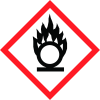
Icons in SDS


Company Information
company name
PPoorrttaaG GA
GHS Information
Signal word
Danger
Hazard Codes
Hazard statements (CLP)
H270, H280, H304, H331
Hazard statements
Code
Statements
H270
May cause or intensify fire; oxidizer
H280
Contains gas under pressure; may explode if heated
H304
May be fatal if swallowed and enters airways
H331
Toxic if inhaled
Section 2
SECTION 2: Hazards identification
According to European Directive 67/548/EEC as amended EMERGENCY OVERVIEW: This gas mixture is a colorless gas which has a rotten-egg odor (due to the presence of Hydrogen Sulfide). The odor cannot be relied on as an adequate warning of the presence of this gas mixture, because olfactory fatigue occurs after over-exposure to Hydrogen Sulfide. Hydrogen Sulfide and Carbon Monoxide (another component of this gas mixture) are toxic to humans in relatively low concentrations. Over-exposure to this gas mixture can cause skin or eye irritation, nausea, dizziness, headaches, collapse, unconsciousness, coma, and death. The Propane, n-Pentane, and n-Hexane components can cause anesthetic or peripheral neuropathy effects. Additionally, releases of this gas mixture may produce oxygen-deficient atmospheres (especially in small confined spaces or other poorly-ventilated environments); individuals in such atmospheres may be asphyxiated. US DOT SYMBOLS
Signal word
Danger EU LABELING AND CLASSIFICATION
Precautionary statements
H304: May be fatal if swallowed and enters airways. P261: Avoid breathing gas. H270: May cause or intensify fire, oxidizer. P271: Use only in well ventilated area. H280: Contains gas under pressure, may explode if heated. P281: Use personal protective equipment as required. H331: Toxic if inhaled. P314: Get medical advice/attention if you feel unwell. P403: Store in a well ventilated place. Hazard Symbol(s): [Xn] Harmful; [O] Oxidizer R8: Contact with combustible material may cause fire. S9: Keep container in a well ventilated area. R48/20 Harmful danger of serious damage to health S23: Do not breathe gas. by prolonged exposure through inhalation. S36/37: Wear suitable protective clothing and gloves. R65: Harmful may cause lung damage if swallowed. R67: Vapors may cause drowsiness and dizziness. HEALTH HAZARDS OR RISKS FROM EXPOSURE: ACUTE: Due to the small size of the individual cylinder of this gas mixture, no unusual health effects from exposure to the product are anticipated under routine circumstances of use. However, the Hydrogen Sulfide and Carbon Monoxide components of this gas mixture are toxic to humans. Over-exposure to this gas mixture can cause nausea, dizziness, headaches, collapse, unconsciousness, coma, and death. Due to the presence of Hydrogen Sulfide, over-exposures to this gas mixture can also irritate the skin and eyes; severe eye contamination can result in blindness. Inhalation over-exposures to Propane, n-Pentane, and n-Hexane can cause anesthetic effects and motor neuropathy (i.e. pain and tingling in feet and hands). CHRONIC: Abnormal color perception and pigment changes in the eyes have been reported among persons exposed to 420 -1300 ppm of n-Hexane for five years. Additionally, long-term exposure to low levels of n-Hexane or n-Pentane can affect the nerves in the arms and legs. Effects include numbing or tingling sensation, tiredness, cramps, spasms in legs, difficulty holding objects or walking, loss of appetite and weight loss. Pentane isomers, such as n-Pentane, and Propane can cause sensitization of the heart to epinephrine. Refer to Section 11 (Toxicology Information) for additional information on the components of this gas mixture. TARGET ORGANS: ACUTE: Respiratory system, blood system, central nervous system, cardiovascular system. CHRONIC: Reproductive system, cardiovascular system.
Hazard statements
Simple Asphyxiant
2.1 Classification of the substance or mixture
Classification of the substance or mixture according to Regulation (EC) No1272/2008 Aspiration Hazard Category 1 Pressurized Gas Acute Toxicity Inhalation Category 3 According to European Directive 67/548/EEC as amended. Harmful by inhalation, pressurized gas


