



Note: Ingredients listed on restricted chemical lists
EC/CAS
265-199-0/64742-95-6
Name of the chemical
Solvent naphtha (petroleum), light arom
Concentration
20- <30
EC/CAS
236-675-5/13463-67-7
Name of the chemical
Reaction mass of titanium dioxide and silver chloride
Concentration
1-<5
EC/CAS
215-609-9/1333-86-4
Name of the chemical
carbon black
Concentration
1-<5
EC/CAS
202-049-5/91-20-3
Name of the chemical
Naphthalene,3
Concentration
0.1-<1
EC/CAS
215-168-2
Name of the chemical
Iron Oxide Red
Concentration
1-<5
General Information
Version
10
Revision date
2026-07-10
Product name
POLYESTER BASE(PRINT) K01
1.2.1 Relevant identified uses
Industrial applications, Used by spraying
1.2.2. Uses advised against
Product is not intended, labelled or packaged for consumer use
Emergency telephone
+82-51-620-8220
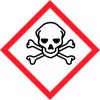
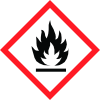
Icons in SDS


Company Information
company name
PPG SSC
e-mail address of the competent person responsible for the Safety Data Sheet
Korea.MSDS@ppg.com
GHS Information
Signal word
Danger
Hazard Codes
Hazard statements (CLP)
H226, H311, H315, H317, H318, H335, H340, H350, H361, H373, H411
Hazard statements
Code
Statements
H226
Flammable liquid and vapour
Section 2
SECTION 2: Hazards identification
2.1 Classification of the substance or mixture
Emergency overview Solid. Characteristic. Harmful if swallowed. May be harmful in contact with skin. Causes mild skin irritation. May cause an allergic skin reaction. May cause genetic defects. May cause damage to organs through prolonged or repeated exposure. Toxic to aquatic life. May form explosible dust-air mixture if dispersed. Handling and/or processing of this material may generate a dust which can cause mechanical irritation of the eyes, skin, nose and throat. IF exposed or concerned: Get medical advice or attention. IF SWALLOWED: Call a POISON CENTER or doctor if you feel unwell. IF ON SKIN: Call a POISON CENTER or doctor if you feel unwell. If skin irritation or rash occurs: Get medical advice or attention. See Section 12 for environmental precautions. Section 2. Hazards identification Classification of the : ACUTE TOXICITY (oral) - Category 4 substance or mixture ACUTE TOXICITY (dermal) - Category 5 SKIN CORROSION/IRRITATION - Category 3 SKIN SENSITIZATION - Category 1 GERM CELL MUTAGENICITY - Category 1B SPECIFIC TARGET ORGAN TOXICITY (REPEATED EXPOSURE) - Category 2 AQUATIC HAZARD (ACUTE) - Category 2 Percentage of the mixture consisting of ingredient(s) of unknown acute dermal toxicity: 2.2% Percentage of the mixture consisting of ingredient(s) of unknown hazards to the aquatic environment: 82.2%
Signal word
Danger
Hazard statements
Harmful if swallowed. May be harmful in contact with skin. Causes mild skin irritation. May cause an allergic skin reaction. May cause genetic defects. May cause damage to organs through prolonged or repeated exposure. Toxic to aquatic life.
Prevention
Obtain special instructions before use. Do not handle until all safety precautions have been read and understood. Wear protective gloves, protective clothing and eye or face protection. Avoid release to the environment. Do not breathe dust or mist. Do not eat, drink or smoke when using this product. Wash thoroughly after handling. Contaminated work clothing should not be allowed out of the workplace.
Response
IF exposed or concerned Get medical advice or attention. IF SWALLOWED Call a POISON CENTER or doctor if you feel unwell. Rinse mouth. Take off contaminated clothing and wash it before reuse. IF ON SKIN: Call a POISON CENTER or doctor if you feel unwell. Wash with plenty of water. If skin irritation or rash occurs: Get medical advice or attention. Suitable extinguishing media : Use dry chemical powder.
Storage
Store locked up.
Disposal
Dispose of contents and container in accordance with all local, regional, national and international regulations.
Other physicochemical hazards
May form combustible dust concentrations in air.
Health hazards
Harmful if swallowed. Causes mild skin irritation. May cause an allergic skin reaction. May cause genetic defects Symptoms related to the physical, chemical and toxicological characteristics Eye contact Adverse symptoms may include the following pain or irritation watering redness Inhalation Adverse symptoms may include the following respiratory tract irritation coughing Skin contact Adverse symptoms may include the following irritation redness Ingestion No specific data Delayed and immediate effects and also chronic effects from short and long term exposure Short term exposure Potential immediate effects : Not available. Potential delayed effects : Not available. Long term exposure Potential immediate effects : Not available. Potential delayed effects : Not available.
Environmental hazards
Toxic to aquatic life
Other hazards which do not result in classification
May form combustible dust concentrations in air.



