




Note: Ingredients listed on restricted chemical lists
EC/CAS
236-675-5/13463-67-7
Name of the chemical
Reaction mass of titanium dioxide and silver chloride
Concentration
1-<5
EC/CAS
238-878-4/14808-60-7
Name of the chemical
Silica, crystalline
Concentration
1-<5
EC/CAS
265-199-0/64742-95-6
Name of the chemical
Solvent naphtha (petroleum), light arom
Concentration
1-<5
EC/CAS
202-049-5/91-20-3
Name of the chemical
Naphthalene,3
Concentration
0.1-<1
EC/CAS
215-168-2
Name of the chemical
Iron Oxide Red
Concentration
1-<5
General Information
Version
16
Revision date
2026-07-10
Product name
POLYESTER BASE 4382
1.2.1 Relevant identified uses
Industrial applications, Used by spraying
1.2.2. Uses advised against
Product is not intended, labelled or packaged for consumer use
Emergency telephone
+82-51-620-8220
Icons in SDS


Company Information
company name
PPG SSC
e-mail address of the competent person responsible for the Safety Data Sheet
Korea.MSDS@ppg.com
GHS Information
Signal word
Danger
Hazard Codes
Hazard statements (CLP)
H226, H312, H315, H317, H319, H340, H350, H361, H373, H411
Hazard statements
Code
Statements
H226
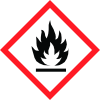
Flammable liquid and vapour
Section 2
SECTION 2: Hazards identification
Ingredient(s) with unknown acute toxicity
19.6% (oral), 42.1% (dermal), 37.1% (inhalation) This product contains TiO2 which has been classified as a GHS Carcinogen Category 2 based on its IARC 2B classification. For many products, TiO2 is utilized as a raw material in a liquid coating formulation. In this case, the TiO2 particles are bound in a matrix with no meaningful potential for human exposure to unbound particles of TiO2 when the product is applied with a brush or roller. Sanding the coating surface or mist from spray applications may be harmful depending on the duration and level of exposure and require the use of appropriate personal protective equipment and/or engineering controls (see Section 8).
Signal word
Danger
Hazard statements
Flammable liquid and vapor. May cause an allergic skin reaction. May cause cancer. Suspected of damaging fertility or the unborn child.
Prevention
Obtain special instructions before use. Do not handle until all safety precautions have been read and understood. Wear protective gloves, protective clothing and eye or face protection. Keep away from heat, hot surfaces, sparks, open flames and other ignition sources. No smoking. Avoid breathing vapor. Contaminated work clothing must not be allowed out of the workplace.
Response
IF exposed or concerned Get medical advice or attention. IF ON SKIN (or hair) Take off immediately all contaminated clothing. Rinse skin with water. If skin irritation or rash occurs: Get medical advice or attention.
Storage
Store locked up.
Disposal
Dispose of contents and container in accordance with all local, regional, national and international regulations.
Supplemental label elements
Repeated exposure to high vapor concentrations may cause irritation of the respiratory system and permanent brain and nervous system damage. Inhalation of vapor/aerosol concentrations above the recommended exposure limits causes headaches, drowsiness and nausea and may lead to unconsciousness or death. This product either contains formaldehyde or is capable of releasing formaldehyde above 0.5 ppm under certain conditions. Formaldehyde is a known cancer hazard, a skin sensitizer and a respiratory sensitizer. Avoid contact with skin and clothing. Wash thoroughly after handling. Emits toxic fumes when heated.
2.3 Other hazards
Prolonged or repeated contact may dry skin and cause irritation.
2.1 Classification of the substance or mixture
SKIN SENSITIZATION - Category 1 CARCINOGENICITY - Category 1B TOXIC TO REPRODUCTION - Category 2 Percentage of the mixture consisting of ingredient(s) of unknown acute toxicity: 19.6% (oral), 42.1% (dermal), 37.1% (inhalation) This product contains TiO2 which has been classified as a GHS Carcinogen Category 2 based on its IARC 2B classification. For many products, TiO2 is utilized as a raw material in a liquid coating formulation. In this case, the TiO2 particles are bound in a matrix with no meaningful potential for human exposure to unbound particles of TiO2 when the product is applied with a brush or roller. Sanding the coating surface or mist from spray applications may be harmful depending on the duration and level of exposure and require the use of appropriate personal protective equipment and/or engineering controls (see Section 8).



