


Note: Ingredients listed on restricted chemical lists
EC/CAS
9016-87-9
Name of the chemical
4,4'-Methylendiphenyldiisocyanat tech. (Polymeres) MDI, pMDI (in Form atembarer Aerosole, A-Fraktion)
Concentration
30-60
EC/CAS
101-68-8
Name of the chemical
4,4’-Methylenediphenyl diisocyanate
Concentration
15-40
EC/CAS
5873-54-1
Name of the chemical
2,4’-Methylenediphenyl diisocyanate
Concentration
1-5
EC/CAS
26447-40-5
Name of the chemical
Methylenediphenyl diisocyanate (see also specific isomers)
Concentration
1-5
EC/CAS
2536-05-2
Name of the chemical
2,2’-Methylenediphenyl diisocyanate
Concentration
0.1-1
General Information
Version
1.05
Revision date
2026-01-22
Product name
910-175 CURING SOLUTION COMPONENT
1.2.1 Relevant identified uses
Industrial applications
supplier name
PPG Canada Inc
Icons in SDS


Company Information
company name
PPG Canada Inc
GHS Information
Signal word
Danger
Hazard Codes
Hazard statements (CLP)
H225, H315, H317, H319, H332, H334, H335, H351, H373
Hazard statements
Code
Statements
H225
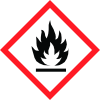
Highly Flammable liquid and vapour
Section 2
SECTION 2: Hazards identification
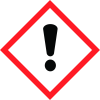
Classification of the substance or mixture FLAMMABLE LIQUIDS - Category 2 ACUTE TOXICITY (inhalation) - Category 4 SKIN IRRITATION - Category 2 EYE IRRITATION - Category 2A RESPIRATORY SENSITIZATION - Category 1A SKIN SENSITIZATION - Category 1A CARCINOGENICITY - Category 2 SPECIFIC TARGET ORGAN TOXICITY (SINGLE EXPOSURE) (Respiratory tract irritation) - Category 3 SPECIFIC TARGET ORGAN TOXICITY (REPEATED EXPOSURE) - Category 2 Health Hazards Not Otherwise Classified - Category 1
Signal word
Danger
Hazard statements
Highly flammable liquid and vapor. Causes skin irritation. May cause an allergic skin reaction. Causes serious eye irritation. Harmful if inhaled. May cause allergy or asthma symptoms or breathing difficulties if inhaled. May cause respiratory irritation. Suspected of causing cancer. May cause damage to organs through prolonged or repeated exposure. (nose/ sinuses, respiratory system) Prolonged or repeated contact may dry skin and cause irritation.
Prevention
Obtain special instructions before use. Do not handle until all safety precautions have been read and understood. Wear protective gloves, protective clothing and eye or face protection. Wear respiratory protection. Keep away from heat, hot surfaces, sparks, open flames and other ignition sources. No smoking. Use only outdoors or in a well-ventilated area. Do not breathe vapor. Wash thoroughly after handling. Contaminated work clothing should not be allowed out of the workplace.
Response
IF exposed or concerned Get medical advice or attention. IF INHALED Remove person to fresh air and keep comfortable for breathing. Call a POISON CENTER or doctor if you feel unwell. If experiencing respiratory symptoms: Call a POISON CENTER or doctor. IF ON SKIN (or hair): Take off immediately all contaminated clothing. Rinse skin with water. If skin irritation or rash occurs: Get medical advice or attention. IF IN EYES: Rinse cautiously with water for several minutes. Remove contact lenses, if present and easy to do. Continue rinsing. If eye irritation persists: Get medical advice or attention. Photosensitive agents : In case of accidental eye contact, avoid direct exposure to the sun or other sources of UV light as severe irritation including burns may result. These reactions can be delayed – get medical attention if pain, irritation or blistering occurs after contact. In case of accidental skin contact, avoid direct exposure to the sun or other sources of UV light as severe irritation including burns may result. These reactions can be delayed – get medical attention if pain, irritation, rash or blistering occurs after contact.
Storage
Store locked up. Store in a well-ventilated place. Keep container tightly closed.
Disposal
Dispose of contents and container in accordance with all local, regional, national and international regulations.
Supplemental label elements
Moisture-sensitive material. Repeated exposure to high vapor concentrations may cause irritation of the respiratory system and permanent brain and nervous system damage. Inhalation of vapor/aerosol concentrations above the recommended exposure limits causes headaches, drowsiness and nausea and may lead to unconsciousness or death. Skin contact to isocyanate monomer may lead to allergic lung reaction. Based on the properties of the isocyanate components and considering toxicological data on similar mixtures, this mixture may cause acute irritation and/or sensitization of the respiratory system, leading to an asthmatic condition, wheezing and tightness of the chest. Sensitized persons may subsequently show asthmatic symptoms when exposed to atmospheric concentrations well below the OEL. Repeated exposure may lead to permanent respiratory disability. Persons with a history of skin sensitization problems or asthma, allergies or chronic or recurrent respiratory disease should not be employed in any process in which this product is used. Avoid contact with skin and clothing. Wash thoroughly after handling. Emits toxic fumes when heated. Percentage of the mixture consisting of ingredient(s) of unknown acute toxicity: 6.3% (oral), 40.5% (dermal)
2.1 Classification of the substance or mixture
FLAMMABLE LIQUIDS - Category 2 substance or mixture ACUTE TOXICITY (inhalation) - Category 4 SKIN IRRITATION - Category 2 EYE IRRITATION - Category 2A RESPIRATORY SENSITIZATION - Category 1A SKIN SENSITIZATION - Category 1A CARCINOGENICITY - Category 2 SPECIFIC TARGET ORGAN TOXICITY (SINGLE EXPOSURE) (Respiratory tract irritation) - Category 3 SPECIFIC TARGET ORGAN TOXICITY (REPEATED EXPOSURE) - Category 2 Health Hazards Not Otherwise Classified - Category 1



