


Note: Ingredients listed on restricted chemical lists
EC/CAS
200-659-6/67-56-1
Name of the chemical
Methanol
Concentration
100%
General Information
Revision date
2020-11-23
Product name
Methanol
Product name
Methanol
Identification on the label/Trade name
Codes/Trade Names
Product Synonyms
METHYL ALCOHOL; CARBINOL; METHANOL;
CAS No.
67-56-1
1.2.1 Relevant identified uses
Racing Fuel Applicable In
Emergency telephone
61 3 8398 0827
Icons in SDS


Company Information
company name
Powerplus Fuels
e-mail address of the competent person responsible for the Safety Data Sheet
sales@powerplusfuels.com.au
GHS Information
Signal word
Danger
Section 2
SECTION 2: Hazards identification
Hazard statements
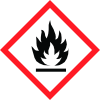
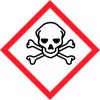
Classified as Hazardous according to the criteria of the Australian Safety and Compensation Council ASCC (formerly NOHSC) Approved Criteria for Classifying Hazardous Substances [NOHSC:1008] 3rd Edition. Methanol is classified as Dangerous Goods according to the Australian Code for the Transport of Dangerous Goods by Road and Rail. Highly flammable liquid and vapor. Toxic if swallowed, in contact with skin or if inhaled. Causes serious eye irritation. Causes damage to organs: (central nervous system (CNS), optic nerve) May cause respiratory irritation. May cause damage to organs through prolonged or repeated exposure. (gastrointestinal tract, liver, respiratory tract, skin)
2.1 Classification of the substance or mixture
FLAMMABLE LIQUIDS - Category 2 ACUTE TOXICITY:oral - Category 3 ACUTE TOXICITY:dermal - Category 3 ACUTE TOXICITY:inhalation - Category 3 SERIOUS EYE DAMAGE/ EYE IRRITATION - Category 2A SPECIFIC TARGET ORGAN TOXICITY (SINGLE EXPOSURE) [central nervous system (CNS), optic nerve] - Category 1 SPECIFIC TARGET ORGAN TOXICITY (SINGLE EXPOSURE) [Respiratory tract irritation] - Category 3 SPECIFIC TARGET ORGAN TOXICITY (REPEATED EXPOSURE) [gastrointestinal tract, kidneys, liver, respiratory tract, skin] - Category 2
Signal word
Danger
Prevention
P210 Keep away from heat/sparks/open flames/hot surfaces. – No. smoking. P233 Keep container tightly closed. P260 Do not breathe dust/ fume/ gas/ mist/ vapours/ spray.
Response
P301 + P310 IF SWALLOWED: Immediately call a POISON CENTER or doctor/physician . P303 + P361 + P353 IF ON SKIN (or hair): Remove/ Take off immediately all contaminated clothing. Rinse skin with water/ shower. P304 + P340 IF INHALED: Remove victim to fresh air and keep at rest in a position comfortable for breathing. P307 + P311 IF exposed: Call a POISON CENTER or doctor/ physician. P361 Remove/Take off immediately all contaminated clothing. P370 + P378 In case of fire: Use dry sand, dry chemical, or alcohol-resistant foam for extinction.
Storage
P403 + P233 Store in a well-ventilated place. Keep container tightly closed.
2.3 Other hazards
This substance is not considered to be persistent, bioaccumulating nor toxic (PBT)., This substance is not considered to be very persistent nor very bioaccumulating (vPvB). Poisons Schedule (Aust) 6



