

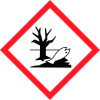
Note: Ingredients listed on restricted chemical lists
EC/CAS
203-625-9/108-88-3
Name of the chemical
Toluene
Concentration
N/A
General Information
Version
2.1
Revision date
2012-01-03
Product name
Rapamycin Crude Oil
Product name
Rapamycin Crude Oil
Identification on the label/Trade name
Not applicable
Chemical name
Not determined
Emergency telephone
1-800-424-9300, +1-703-527-3887
Icons in SDS

Company Information
company name
Pfizer Ltd
e-mail address of the competent person responsible for the Safety Data Sheet
pfizer-MSDS@pfizer.com
GHS Information
Signal word
DANGER
Section 2
SECTION 2: Hazards identification
Appearance: Light brown viscous liquid
Signal word
DANGER
Hazard statements
Highly flammable liquid and vapor. May damage fertility or the unborn child. Causes eye irritation. Toxic to aquatic life with long lasting effects.
Additional information
Short Term: Vapors may cause drowsiness and dizziness. May cause dryness or cracking of the skin. May cause lung damage if swallowed. Long Term: Occupational exposure to toluene has resulted in hearing loss, damage to the optic nerve (with loss of color vision) cognitive changes and cardiac arrhythmias. The effects of repeated exposure to toluene are cumulative and eventually become irreversible. Known Clinical Effects: Adverse effects associated with therapeutic use include hypersensitivity reactions, nausea, weakness, skin rash, weight loss, inflammation of the mouth (stomatitis), itching sensation (pruritus), decreased red blood cell count (anemia), decreased white blood cells (leukopenia). EU Indication of danger: Highly flammable Toxic to Reproduction: Category 2 Irritant Dangerous for the Environment EU Risk Phrases: R11 - Highly flammable. R36 - Irritating to eyes. R60 - May impair fertility. R61 - May cause harm to the unborn child. R65 - Harmful: may cause lung damage if swallowed. R66 - Repeated exposure may cause skin dryness or cracking. R67 - Vapors may cause drowsiness and dizziness. R50/53 - Very toxic to aquatic organisms, may cause long-term adverse effects in the aquatic environment. Australian Hazard Classification
Hazardous Ingredients
Dangerous Goods (NOHSC): Note: This document has been prepared in accordance with standards for workplace safety, which require the inclusion of all known hazards of the active substance or its intermediates regardless of the potential risk. The precautionary statements and warnings included may not apply in all cases. Your needs may vary depending upon the potential for exposure in your workplace.



