



Note: Ingredients listed on restricted chemical lists
EC/CAS
91-20-3
Name of the chemical
Naphthalene,3
Concentration
N/A
EC/CAS
202-049-5
Name of the chemical
Naphthalin
Concentration
N/A
General Information
Revision date
2022-04-25
Product name
PARAMO INDICATOR
1.2.1 Relevant identified uses
The product may not be used in any way other than those speci- fied in sections 1 and 7
Emergency telephone
Control Room of PARAMO, a.s.: +420 466 303 175
Icons in SDS
Company Information
company name
PARAMO, a.s
e-mail address of the competent person responsible for the Safety Data Sheet
paramo@paramo.cz, marie.dolezelova@paramo.cz
GHS Information
Signal word
Danger
Hazard Codes
Hazard statements (CLP)
H304, H336, H351, H411
Hazard statements
Code
Statements
H304
May be fatal if swallowed and enters airways
Section 2
2.1 Classification of the substance or mixture
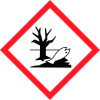
According to 1272/2008 (CLP) the product is classified as hazardous. Carcinogenicity: Carc. 2, H351 Aspiration Toxicity: Asp. Tox. 1, H304 Specific target organ toxicity – single exposure: STOT SE 3, H336 Hazardous to the aquatic environment: Aquatic Chronic 2, H411
Hazard pictograms
Warning description: Danger Dangerous substances
Contains
Hydrocarbons, C10-C13, aromatics> 1% naphthalene Standard phrases of hazard: H304 May be fatal if swallowed and enters airways. H336 May cause drowsiness or dizziness. H351 Suspected of causing cancer. H411 Toxic to aquatic life with long lasting effects. Safe handling instructions P201 Obtain special instructions before use. P273 Avoid release to the environment P280 Wear protective gloves, protective clothing and eye protection. P308+P313 IF exposed or concerned: Get medical advice. P405 Store locked up. P501 Dispose of contents and container according to local regulations Other requirements The packaging intended for sale to the consumer must be provided with a palpable alert for the blind and must have a childproof closure.
2.3 Other hazards
The product is not persistent, bioaccumulative and toxic chemical substance or very persistent and very bioaccumulative chemical substance according to the criteria set out in Annex XIII to the EC (PBT, vPvB). Fumes can cause drowsiness and fainting. Ingestion of the substance may cause lung damage. There is limited evidence of carcinogenic effects. The product may accumulate a static charge that can cause an incendiary electric discharge. Product is toxic to aquatic organisms. It may cause long-term damage to the aquatic environment.



