



Note: Ingredients listed on restricted chemical lists
EC/CAS
111-90-0
Name of the chemical
2-(2-Ethoxyethoxy)ethanol Diethylene Glycol Monoethyl Ether (DEGEE)
Concentration
<60
General Information
Revision date
2025-02-01
Product name
CYPHER
1.2.1 Relevant identified uses
Insecticide
supplier name
Orion AgriScience Ltd
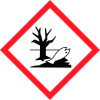
Icons in SDS


Company Information
company name
Orion AgriScience Ltd
e-mail address of the competent person responsible for the Safety Data Sheet
orders@orionagriscience.co.nz
GHS Information
Signal word
Warning
Hazard Codes
Hazard statements (CLP)
H227, H302, H319, H373, H400, H410, H432, H441
Hazard statements
Code
Statements
H227
Combustible liquid
Section 2
SECTION 2: Hazards identification
Signal word
Warning
Hazard categories
Flammable Liquid (Cat. 4)
Hazard statements
H227 Combustible Liquid Acute Oral Toxicity (Cat. 4) Eye Irritation (Cat. 2) Specific target organ toxicity (repeated exposure) (Cat. 2) Hazardous to the aquatic environment acute (Cat. 1) Hazardous to the aquatic environment chronic (Cat. 1) Hazardous to terrestrial vertebrates Hazardous to terrestrial invertebrates H302 Harmful if swallowed H319 Causes serious eye irritation H373 May cause damage to organs through prolonged or repeated exposure H400 Very toxic to aquatic life with H410 Very toxic to aquatic life with long lasting effects H432 Toxic to terrestrial vertebrates H441 Very toxic to terrestrial invertebrates
Prevention
P103 Read label before use P210 Keep away from heat, hot surfaces, sparks, open flames and other ignition sources. No smoking P280 Wear protective gloves/protective clothing/eye protection/face protection P264 Wash hands thoroughly after handling P270 Do not eat, drink or smoke when using this product P260 Do not breathe dust/fume/gas/mist/vapours/spray Keep out of reach of children. Read label before use. Avoid contact with eyes and skin. Do not breathe in the vapour or spray mist. When mixing or applying, wear personal protection as described in section 8. Take all reasonable steps to ensure that this product does not cause any significant adverse effects to the environment beyond the application area. Do not apply directly into or onto water. Do not apply this substance to plants if bees are foraging, or the plants are in flower or part flower, and are likely to be visited by non-target invertebrate pollinators (including bees). P273 Avoid release to the environment
Response
P370+P378 In case of fire use water spray, foam, dry chemical or C02 to extinguish P301+P312 IF SWALLOWED: Call a poison centre/doctor if you feel unwell P330 Rinse mouth P305+P351+P338 IF IN EYES: Rinse cautiously with water for several minutes. Remove contact lenses, if present and easy to do so. Continue rinsing P337+P313 If eye irritation persists: Get medical advice/attention P314 Get medical advice/attention if you feel unwell P391 Collect spillage First aid measures described in section 4. Contain and collect spillage for disposal. In an emergency call 111, Police or Fire Brigade. For specialist advice in an emergency only, call 0800 CHEMCALL (0800 243 6225) (24 hrs).
Storage
P403 Store in a well ventilated place Keep cool.
Disposal
P501 Dispose of contents by using it in accordance with this label. Dispose of the container via AgRecovery after triple rinsing (use the rinsate for spraying).



