

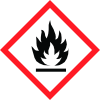
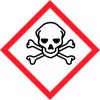

Note: Ingredients listed on restricted chemical lists
EC/CAS
8008-79-5
Name of the chemical
Mentha spicata oil (spearmint oil) (40)
Concentration
20 %
General Information
Revision date
2020-03-31
Product name
Surface Cleaner
Product Synonyms
Alcohol
Chemical name
Alcohol
1.2.1 Relevant identified uses
Surface Sanitizer
Manufacturer Name
One Ethanol
Icons in SDS


Company Information
company name
One Ethanol
GHS Information
Signal word
Danger
Hazard Codes
Hazard statements (CLP)
H225, H315, H319
Hazard statements
Code
Statements
H225
Highly Flammable liquid and vapour
Section 2
Signal word
Danger Warning
2.1 Classification of the substance or mixture
Flammable Liquids 2 - H225 Skin Irritation 2 - H315 Eye Irritation 2A - H319
Hazard statements
H225 - Highly flammable liquid and vapors. H315 - Causes skin irritation. H319 - Causes serious eye irritation. R11 - Highly flammable.
Prevention
P201 - Obtain special instructions before use. P202 - Do not handle until all safety precautions have been read and understood. P210 - Keep away from heat, sparks, open flames and/or hot surfaces. - No smoking. P233 - Keep container tightly closed. P235 - Keep cool. P240 - Ground and/or bond container and receiving equipment. P241 - Use explosion-proof - electrical, ventilating and/or lighting equipment. P242 - Use only non-sparking tools. P243 - Take precautionary measures against static discharge. P264 - Wash thoroughly after handling. P273 - Avoid release to the environment. P280 - Wear protective gloves and eye/face protection. P281 - Use personal protective equipment as required.
Response
P370+P378 - In case of fire: Use appropriate media Carbon Dioxide, "alcohol -type foam," or dry chemical for extinction. P302+P352 - IF ON SKIN: Wash with plenty of soap and water. P362 - Take off contaminated clothing and wash before reuse. P332+P313 - If skin irritation occurs: Get medical advice/attention. P305+P351+P338 - IF IN EYES: Rinse cautiously with water for several minutes. Remove contact lenses, if present and easy to do. Continue rinsing. P337+P313 - If eye irritation persists: Get medical advice/attention. P321 - Specific treatment, see supplemental first aid information. P308+P313 - IF exposed or concerned: Get medical advice/attention. Storage/Disposal P405 - Store locked up. P403+P235 - Store in a well-ventilated place. Keep cool. P501 - Dispose of content and/or container in accordance with local, regional, national, and/or international regulations.
Precautionary statements
S7 - Keep container tightly closed S16 - Keep away from sources of ignition - No Smoking.
2.3 Other hazards
According to the Globally Harmonized System for Classification and Labeling (GHS) this product is considered hazardous. Emergency Response Overview Physical State: Liquid. Highly Flammable liquid/vapor (Ethanol Flash Point = 55 °F). Potentially explosive vapor. High vapor pressure (VP = 45 mm Hg) and heavier than air (VD = 1.6). Use an alcohol resistant foam to suppress fires. May cause irritation to the eyes, skin and respiratory system. May affect the central nervous system. May be harmful or fatal if swallowed. May be harmful if inhaled or absorbed through the skin.
Principle Routes of Exposure
Inhalation; skin contact; eye contact; and ingestion Color/Odor: Colorless liquid. Alcohol or vinegar like odor. Odor threshold reported to be between 50 and 1,000 ppm. Page 2 of 8
Potential health effects
Symptoms of Acute Exposure Eye: May cause severe eye irritation, redness, tearing, blurred vision and conjunctivitis. Skin: Prolonged or repeated contact may cause irritation, dermatitis, defatting, redness, itching and inflammation. Injection through the skin may cause swelling and be extremely painful. Inhalation: May cause upper respiratory irritation. Exposures over 1,000 ppm may cause central nervous system (CNS) effects such as excitation, euphoria, headache, dizziness, drowsiness, blurred vision, fatigue, loss of appetite, and an inability to concentrate. At higher concentrations there may be a loss of reflexes, convulsions, seizures, loss of consciousness, coma, respiratory arrest and death. Ingestion: Toxic if swallowed. Ingestion can cause drunkenness, depression, nausea, vomiting, diarrhea, liver damage and death. Aspiration into the lungs can cause severe chemical pneumonitis or pulmonary edema or hemorrhage which may be fatal. May cause harmful CNS effects similar to those listed under “Inhalation”.
Potential chronic health
Long term exposure to Surface Cleaner may cause loss of appetite, weight loss, nervousness, memory loss and liver damage. May also cause dermatitis, malnutrition, amnesia, dementia, cardiac myopathy, hepatotoxicity, GI bleeding, pancreatitis, and death.
Medical Conditions Generally Aggravated by Exposure
Pre-existing disorders of the CNS, liver, respiratory system, skin, eyes and GI track may be aggravated by exposure to Surface Cleaner.



