


Note: Ingredients listed on restricted chemical lists
EC/CAS
7738-94-5
Name of the chemical
Chromic acid
Concentration
100%
General Information
Revision date
2015-01-04
Product name
616961
CAS No.
7738-94-5
Icons in SDS


Company Information
company name
Offices
GHS Information
Signal word
DANGER
Hazard Codes
Hazard statements (CLP)
H290, H301+H311, H314, H317, H318, H330, H334, H340, H350, H361, H370, H372, H401, H411
Hazard statements
Code
Statements
H290
May be corrosive to metals
Section 2
SECTION 2: Hazards identification
2.1 Classification of the substance or mixture
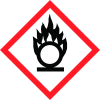
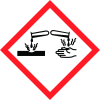
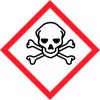
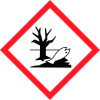
Oxidizing Liquid Category 1 H271 Corrosive to metals Category 1 H290 Acute Toxicity (Oral) Category 3 H301 Acute Toxicity (Dermal) Category 3 H311 Acute Toxicity (Inhalation) Category 1 H330 Skin Corrosion/Irritation Category 1A H314 Skin Sensitization Category 1 H317 Serious Eye Damage/Eye Irritation Category 1 H318 Respiratory Sensitizer Category 1 H334 Mutagen Category 1A H340 Carcinogen Category 1A H350 Reproductive Toxicity Category 2 H361 Specific Target Organ Toxicity – Category 1 H370 Single Exposure Specific Target Organ Toxicity – Category 1 H372 Repeated Reproductive toxicity Category 2 H361 Aquatic Toxicity (Acute) Category 2 H401 Aquatic Toxicity (Chronic) Category 2 H411 Signal Word DANGER Symbol Page 1 of 6 Hazard Statements H271 May cause fire or explosion; strong oxidizer. H290 May be corrosive to metals. H301 + 311 Toxic if swallowed or in contact with skin. H314 Causes severe skin burns and eye damage. H317 May cause an allergic skin reaction. H318 Causes serious eye damage. H330 Fatal if inhaled. H334 May cause allergy or asthma symptoms or breathing difficulties if inhaled. H340 May cause genetic defects. H350 May cause cancer. H361 Suspected of damaging fertility or the unborn child. H370 Causes damage to organs (kidney) through massive overexposure. H372 Causes damage to organs (skin, eyes, respiratory tract) through prolonged or repeated exposure. H401 Toxic to aquatic life. H411 Toxic to aquatic life with long lasting effects.
Signal word
DANGER
Hazard pictograms
Page 1 of 6
Hazard statements
H271 May cause fire or explosion; strong oxidizer. H290 May be corrosive to metals. H301 + 311 Toxic if swallowed or in contact with skin. H314 Causes severe skin burns and eye damage. H317 May cause an allergic skin reaction. H318 Causes serious eye damage. H330 Fatal if inhaled. H334 May cause allergy or asthma symptoms or breathing difficulties if inhaled. H340 May cause genetic defects. H350 May cause cancer. H361 Suspected of damaging fertility or the unborn child. H370 Causes damage to organs (kidney) through massive overexposure. H372 Causes damage to organs (skin, eyes, respiratory tract) through prolonged or repeated exposure. H401 Toxic to aquatic life. H411 Toxic to aquatic life with long lasting effects.
Precautionary statements
P201 Obtain special instructions before use. P202 Do not handle until all safety precautions have been read and understood. P210 Keep away from heat, sparks, open flames, hot surfaces. – No smoking. P221 Take any precaution to avoid mixing with combustible materials. P234 Keep only in original container. P260 Do not breathe dust, mist, spray, vapors. P264 Wash hands, forearms, and exposed areas thoroughly after handling. P270 Do not eat, drink, or smoke when using this product. P271 Use only outdoors or in a well ventilated area. P273 Contaminated work clothing must not be allowed out of the workplace. P273 Avoid release to the environment. P280 Wear eye protection, face protection, protective clothing, protective gloves. P284 In case of inadequate ventilation: wear respiratory protection. P301 + P310 IF SWALLOWED: Immediately call a doctor or POISON CENTER. P301 + P330 + P331 IF SWALLOWED: Rinse mouth. Do NOT induce vomiting. P303 + P361 + P353 IF ON SKIN (or hair): Take off immediately all contaminated clothing. Rinse skin with water / shower. P304 + P340 IF INHALED: Remove person to fresh air and keep at rest in a position comfortable for breathing. P305 + P351 + P338 IF IN EYES: Rinse cautiously with water for several minutes. Remove contact lenses, if present and easy to do. Continue rinsing. P306 + P360 IF ON CLOTHING: Rinse immediately contaminated clothing and skin with plenty of water before removing clothes. P310 Immediately call a POISON CENTER or doctor / physician. P320 Specific treatment is urgent (see Section 4). P333 + P313 If skin irritation or rash occurs: Get medical advice/attention. P362 + P364 Take off contaminated clothing and wash it before reuse. P370 + P378 In case of fire: Use water spray, carbon dioxide, or foam for extinction. P371 + P380 + P375 In case of major fire: Evacuate area. Fight fire remotely due to the risk of explosion. P390 Absorb spillage to prevent material damage. P391 Collect spillage. P403 + P233 Store in a well ventilated place. Keep container tightly closed. P405 Store locked up. P406 Store in corrosive resistant container with a resistant inner liner. P501 Dispose of contents / container according to local, regional, national and international regulations. Page 2 of 6 DART 169 Plus-RTU



