



Note: Ingredients listed on restricted chemical lists
EC/CAS
42978-66-5
Name of the chemical
(1-methyl-1,2-ethanediyl)bis[oxy(methyl-2,1-ethanediyl)] diacrylate
Concentration
N/A
EC/CAS
15625-89-5
Name of the chemical
2-ethyl-2-[[(1-oxoallyl)oxy]methyl]-1,3-propanediyl diacrylate; 2,2-bis(acryloyloxymethyl)butyl acrylate; trimethylolpropane triacrylate
Concentration
N/A
General Information
Revision date
2019-04-23
Product name
DigitalABSPlus Component, RGD515 Plus
Product name
DigitalABSPlus Component, RGD515 Plus
Identification on the label/Trade name
ENVIRONMENTALLY HAZARDOUS SUBSTANCE, LIQUID, N.O.S. (Tripropylene glycol diacrylate, Acrylic acid)
1.2.2. Uses advised against
This product is a cartridge containing ink. Under normal conditions of use, the substance is released from a cartridge only inside an appropriate printing system, and therefore, exposure is limited
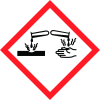
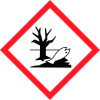
Icons in SDS
Company Information
company name
Objective3D Ltd
e-mail address of the competent person responsible for the Safety Data Sheet
info@Stratasys.com
GHS Information
Signal word
Danger
Hazard Codes
Hazard statements (CLP)
H303, H315, H317, H318, H361, H373, H411
Hazard statements
Code
Statements
H303
May be harmful if swallowed
Section 2
SECTION 2: Hazards identification
GHS Classification ERMA New Zealand HSNO approval code or group standard HSR002670
2.1 Classification of the substance or mixture
Acute toxicity - Oral Category 5 (HSNO - 6.1E) Skin corrosion/irritation Category 2 (HSNO - 6.3A) Serious eye damage/eye irritation Category 1 (HSNO - 8.3A) Skin sensitisation Category 1B (HSNO - 6.5B) Reproductive toxicity Category 2 (HSNO - 6.8B) Specific target organ toxicity (repeated exposure) Category 2 (HSNO - 6.9B) Acute aquatic toxicity Category 2 (HSNO - 9.1D) Chronic aquatic toxicity Category 2 (HSNO - 9.1B)
Signal word
Danger
Hazard statements
H303 - May be harmful if swallowed H315 - Causes skin irritation H317 - May cause an allergic skin reaction H318 - Causes serious eye damage H361 - Suspected of damaging fertility or the unborn child H373 - May cause damage to organs through prolonged or repeated exposure H411 - Toxic to aquatic life with long lasting effects
Prevention
Obtain special instructions before use Do not handle until all safety precautions have been read and understood Use personal protective equipment as required Wash face, hands and any exposed skin thoroughly after handling Contaminated work clothing should not be allowed out of the workplace Wear protective gloves Do not breathe dust/fume/gas/mist/vapours/spray Avoid release to the environment
Response
IF exposed or concerned: Get medical advice/attention IF IN EYES: Rinse cautiously with water for several minutes. Remove contact lenses, if present and easy to do. Continue rinsing Immediately call a POISON CENTER or doctor/physician IF ON SKIN: Wash with plenty of soap and water Take off contaminated clothing and wash it before reuse If skin irritation or rash occurs: Get medical advice/attention Collect spillage
Storage
Store locked up
Precautionary statements
Disposal Dispose of contents/container to an approved waste disposal plant
2.3 Other hazards
May cause respiratory irritation No information available



