

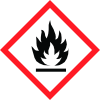

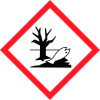
General Information
Revision date
2017-11-29
Product name
CHERRY MENTHOL
Product Synonyms
None
Icons in SDS


Company Information
company name
Oasis Oils
e-mail address of the competent person responsible for the Safety Data Sheet
oasisoils@outlook.com
GHS Information
Signal word
Warning
Hazard Codes
Hazard statements (CLP)
H226, H315, H317, H319, H332, H335, H411
Hazard statements
Code
Statements
H226
Flammable liquid and vapour
Section 2
CLP CLASSIFICATION
Class and category of Flammable Liquid, Hazard Category 3 danger: Acute Toxicity - Inhalation Category 4 Skin Corrosion / Irritation Category 2 Eye Damage / Irritation Category 2 Sensitization - Skin Category 1 Specific Target Organ Toxicity (Single Exposure) Category 3 Hazardous to the Aquatic Environment - Long-term Hazard Category 2 H226, Flammable liquid and vapour. H315, Causes skin irritation. H317, May cause an allergic skin reaction. H319, Causes serious eye irritation. H332, Harmful if inhaled. H335, May cause respiratory irritation. Version: 1 Class and category of H411, Toxic to aquatic life with long lasting effects. danger: Classification under Directive 1999/45/EC
Hazard pictograms
Xn, Harmful. N, Dangerous for the environment. R10, Flammable.
Hazard statements
R43, May cause sensitisation by skin contact. R20/22, Harmful by inhalation and if swallowed. R36/37/38, Irritating to eyes, respiratory system and skin. R51/53, Toxic to aquatic organisms, may cause long-term adverse effects in the aquatic environment. H226, Flammable liquid and vapour. H315, Causes skin irritation. H317, May cause an allergic skin reaction. H319, Causes serious eye irritation. H332, Harmful if inhaled. H335, May cause respiratory irritation. H411, Toxic to aquatic life with long lasting effects.
Signal word
Warning
Additional information
EUH208, Contains eugenol, limonene, pinenes. May produce an allergic reaction.
Precautionary statements
P210, Keep away from heat, sparks, open flames and hot surfaces. - No smoking. P240, Ground/bond container and receiving equipment. P241, Use explosion-proof electrical, ventilating and lighting equipment. P242, Use only non-sparking tools. P243, Take precautionary measures against static discharge. P261, Avoid breathing vapour or dust. P264, Wash hands and other contacted skin thoroughly after handling. P271, Use only outdoors or in a well-ventilated area. P272, Contaminated work clothing should not be allowed out of the workplace. P273, Avoid release to the environment. P280, Wear protective gloves/eye protection/face protection. P303/361/353, IF ON SKIN (or hair): Remove/take off immediately all contaminated clothing. Rinse skin with water/shower. P304/340, IF INHALED: Remove victim to fresh air and keep at rest in a position comfortable for breathing. P305/351/338, IF IN EYES: Rinse cautiously with water for several minutes. Remove contact lenses, if present and easy to do. Continue rinsing. P312, Call a POISON CENTRE or doctor/physician if you feel unwell. Version: 1 P333/313, If skin irritation or rash occurs: Get medical advice/attention. P337/313, If eye irritation persists: Get medical advice/attention. P362, Take off contaminated clothing and wash before reuse. P370/378, In case of fire: Use carbon dioxide, dry chemical, foam for extinction. P391, Collect spillage. P403/233/235, Store in a well-ventilated place. Keep container tightly closed. Keep cool. P405, Store locked up. P501, Dispose of contents/container to approved disposal site, in accordance with local regulations.
2.3 Other hazards
None



