

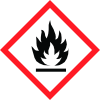


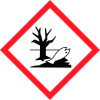
Note: Ingredients listed on restricted chemical lists
EC/CAS
86290-81-5
Name of the chemical
Gasoline
Concentration
15-20
EC/CAS
108-88-3
Name of the chemical
Toluene
Concentration
1-5
EC/CAS
71-43-2
Name of the chemical
Benzol
Concentration
1-5
EC/CAS
98-82-8
Name of the chemical
Cumol (2022/692)
Concentration
0.1-1
EC/CAS
91-20-3
Name of the chemical
Naphthalene,3
Concentration
0.1-1
General Information
Revision date
2019-06-12
Product name
E85
Product Synonyms
Ethanol blended with Conventional Unleaded Gasoline
supplier name
Murphy Oil USA, Inc
Icons in SDS


Company Information
company name
Murphy Oil USA, Inc
GHS Information
Signal word
Danger
Section 2
SECTION 2: Hazards identification
2.1 Classification of the substance or mixture
FLAMMABLE LIQUIDS - Category 2 Aspiration Category 1 SKIN IRRITATION - Category 2 EYE IRRITATION - Category 2A GERM CELL MUTAGENICITY - Category 1 CARCINOGENICITY - Category 1A TOXIC TO REPRODUCTION (Unborn child) - Category 2 SPECIFIC TARGET ORGAN TOXICITY (SINGLE EXPOSURE) (Respiratory tract irritation) - Category 3 SPECIFIC TARGET ORGAN TOXICITY (REPEATED EXPOSURE) (central nervous system (CNS), hearing organs) - Category 2 AQUATIC HAZARD (ACUTE) - Category 2 AQUATIC HAZARD (LONG-TERM) - Category 2
Hazard statements
Danger Highly flammable liquid and vapor. Causes serious eye irritation. Causes skin irritation. May cause genetic defects. May cause cancer. Suspected of damaging the unborn child. May cause respiratory irritation. May be fatal is swallowed and enters airway. May cause damage to organs through prolonged or repeated exposure. (central nervous system (CNS), hearing organs)
Precautionary statements
Toxic to aquatic life with long lasting effects. General Do not syphon by mouth
Prevention
Obtain special instructions before use. Do not handle until all safety precautions have been read and understood. Wear protective gloves. Wear eye or face protection. Wear protective clothing. Keep away from heat, hot surfaces, sparks, open flames and other ignition sources. Avoid breathing dust / fume / gas / mist / vapors / spray. No smoking. Use explosion-proof electrical, ventilating, lighting and equipment. Use only non-sparking tools. Take precautionary measures against static discharge. Keep container tightly closed. Use only outdoors or in a well-ventilated area. Avoid release to the environment. Do not breathe vapor. Wash hands thoroughly after handling.
Response
Collect spillage. Get medical attention if you feel unwell. IF exposed or concerned: Seek medical attention. IF INHALED: Remove person to fresh air and keep comfortable for breathing. Call a POISON CENTER or physician if you feel unwell. IF ON SKIN (or hair): Take off immediately all contaminated clothing. Rinse skin with water or shower. IF ON SKIN: Wash with plenty of soap and water. Take off contaminated clothing and wash it before reuse. If skin irritation occurs Seek medical attention. IF IN EYES Rinse cautiously with water for several minutes. Remove contact lenses, if present and easy to do. Continue rinsing. If eye irritation persists Seek medical attention. In the case of fire Use Class ABC fire extinguisher to extinguish fire.
Storage
Store locked up. Store in a well-ventilated place. Keep cool.
Disposal
Dispose of contents and container in accordance with all local, regional, national and international regulations. Eliminate sources of ignition. Avoid spark promoters. Ground/bond container and receiving equipment.
Supplemental label elements
These alone may be insufficient to remove static electricity. Do not taste or swallow. Wash thoroughly elements after handling.
2.3 Other hazards
Static accumulating flammable liquid can become electrostatically charged even in bonded and grounded equipment. Sparks may ignite liquid and vapor may cause flash fire or explosion. Causes digestive tract burns. Prolonged or repeated contact may dry skin and cause irritation.



