

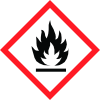
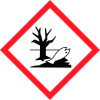

Note: Ingredients listed on restricted chemical lists
EC/CAS
68475-59-2
Name of the chemical
Petroleum, coal, tar and natural gas and their derivatives generated using distillation and/or other processing methods if they contain ≥ 0,1 % w/w 1,3-butadiene Alkanes, C3-4, if they contain > 0,1 % w/w Butadiene
Concentration
N/A
General Information
Revision date
2021-01-01
Product name
Contact Cleaner
1.2.1 Relevant identified uses
Industrial contact cleaner
Icons in SDS


Company Information
company name
Molytec Australia
e-mail address of the competent person responsible for the Safety Data Sheet
admin@molytec.com.au
GHS Information
Signal word
DANGER
Hazard Codes
Hazard statements (CLP)
H225, H280, H315, H336, H361, H373, H411
Hazard statements
Code
Statements
H225
Highly Flammable liquid and vapour
Section 2
SECTION 2: Hazards identification
Hazard statements
This product is classified as: Xi, Irritating. T, Toxic. N, Dangerous to the environment. Hazardous according to the criteria of SWA. Dangerous according to Australian Dangerous Goods (ADG) Code, IATA and IMDG/IMSBC criteria. R38, R62, R65, R67, R48/20, R51/53. Irritating to skin. Possible risk of impaired fertility. Harmful May cause lung damage if swallowed. Vapours may cause drowsiness and dizziness. Harmful: danger of serious damage to health by prolonged exposure through inhalation. Toxic to aquatic organisms, may cause long-term adverse effects to the aquatic environment. H225: Highly flammable liquid and vapour. H280: Contains gas under pressure; may explode if heated. H315: Causes skin irritation. H336: May cause drowsiness or dizziness. H361: Suspected of damaging fertility or the unborn child. H373: May cause damage to organs through prolonged or repeated exposure. H411: Toxic to aquatic life with long lasting effects.
Precautionary statements
S2, S9, S16, S29, S33, S61, S62, S24/25, S36/37. Keep out of reach of children. Keep container in a well ventilated place. Keep away from sources of ignition - No smoking. Do not empty into drains. Take against static discharges. Avoid release to the environment. Refer to special instructions/Safety Data Sheets. If swallowed, do not induce vomiting: seek medical advice immediately and show this SDS. Avoid contact with skin and eyes. Wear suitable protective clothing and gloves.
SUSMP Classification
None allocated
ADG classification
Class 2.1 Flammable gases
UN Number
1950, AEROSOLS
Signal word
DANGER
Prevention
P102: Keep out of reach of children. P201: Obtain special instructions before use. P202: Do not handle until all safety precautions have been read and understood. P210: Keep away from heat, sparks, open flames and hot surfaces. - No smoking. P211: Do not spray on an open flame or other ignition source. P251 Pressurized container Do not pierce or burn, even after use P261: Avoid breathing fumes, mists, vapours or spray. P262: Do not get in eyes, on skin, or on clothing. P264: Wash contacted areas thoroughly after handling. P271: Use only outdoors or in a well ventilated area. P273: Avoid release to the environment. P281: Use personal protective equipment as required.
Response
P312: Call a POISON CENTER or doctor if you feel unwell. P337 If eye irritation persists seek medical attention P362: Take off contaminated clothing and wash before reuse. P301+P330+P331 IF SWALLOWED Rinse mouth. Do NOT induce vomiting P302+P352 IF ON SKIN Wash with plenty of soap and water P304+P340 IF INHALED Remove victim to fresh air and keep at rest in a position comfortable for breathing P308+P313 If exposed or concerned Get medical advice P332+P313 If skin irritation occurs Get medical advice P372: Explosion risk in case of fire. P370+P378: In case of fire, note the following. Water fog or fine spray is the preferred medium for large fires. Try to contain spills, minimise spillage entering drains or water courses.
Storage
P402+P404: Store in a dry place. Store in a closed container. P403: Store in a well-ventilated place. P410+P412: Protect from sunlight. Store at temperatures not exceeding 30°C and do not expose to temperatures exceeding 50°C.
Disposal
P501: If product can not be recycled, consider controlled incineration, or contact a specialist waste disposal company (see Section 13 of this SDS). Emergency Overview Physical Description & Colour: Clear, colourless liquid. Odour: Characteristic hydrocarbon odour.
Health hazards
may cause serious damage to health by prolonged exposure, skin irritant, possible risk of impaired fertility, if aspirated, may cause lung damage, vapours may cause drowsiness and dizziness.
Potential health effects
Inhalation: Short Term Exposure: Available data indicates that this product is not harmful. Vapours may cause drowsiness and dizziness. Intentional misuse by deliberately concentrating and inhaling contents of aerosol containers can be harmful or fatal. Long Term Exposure Harmful danger of serious damage to health by prolonged exposure through inhalation Skin Contact: Short Term Exposure: Major health effect from this product is misuse of the aerosol function. If sprayed continuously on skin or in eyes, it can cause frostbite. Long Term Exposure: No data for health effects associated with long term skin exposure. Eye Contact: Short Term Exposure: If sprayed directly in the eye, this product will irritate. If spraying is prolonged, it may cause damage through frostbite. Long Term Exposure: No data for health effects associated with long term eye exposure. Ingestion: Short Term Exposure: Significant oral exposure is considered to be unlikely. Because of the low viscosity of this product, it may directly enter the lungs if swallowed, or if subsequently vomited. Once in the lungs, it is very difficult to remove and can cause severe injury or death. However, this product may be irritating to mucous membranes but is unlikely to cause anything more than transient discomfort. Long Term Exposure: No data for health effects associated with long term ingestion. Carcinogen Status: SWA: No significant ingredient is classified as carcinogenic by SWA. NTP: No significant ingredient is classified as carcinogenic by NTP. IARC: No significant ingredient is classified as carcinogenic by IARC.



