



Note: Ingredients listed on restricted chemical lists
EC/CAS
811-97-2
Name of the chemical
1,1,1,2-Tetrafluoroethane
Concentration
N/A
EC/CAS
110-54-3
Name of the chemical
n-Hexan (790/2009)
Concentration
N/A
General Information
Revision date
2021-01-27
Product name
401B
1.2.1 Relevant identified uses
Cleans and lubricates electrical contacts
1.2.2. Uses advised against
Do NOT use on live circuits or in presence of ignition source
Manufacturer Name
MG Chemicals
Icons in SDS
Company Information
company name
MG Chemicals
e-mail address of the competent person responsible for the Safety Data Sheet
support@mgchemicals.com, info@mgchemicals.com, sds@mgchemicals.com
GHS Information
Signal word
Danger
Hazard Codes
Hazard statements (CLP)
H223, H280, H304, H315, H336, H361, H411
Hazard statements
Code
Statements
H223
Flammable aerosol
Section 2
2.1 Classification of the substance or mixture
GHS Categories Criteria Category
Signal word
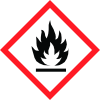
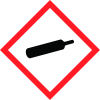
Pictograms DANGER
Aspiration hazard
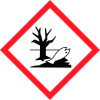
1 Danger Health Reproductive Toxicity 2 Warning Health Flammable Aerosol 2 Warning Flame Gases Under Pressure Liquefied Warning Gas cylinder gas Skin Irritation 2 Warning Exclamation Specific Target Organ Toxicity Single Exposure 3 Warning Exclamation Hazardous to the Aquatic Environment Chronic 2 none
Environmental hazards
Note: The degree of severity is ranked within each hazard class from 1 (Highest Severity) to up to 5 (Lowest Severity), which is opposite to HMIS and NFPA conventions. Severity category rankings do not allow comparisons between classes.
Hazard statements
H223: Flammable aerosol H280: Contains gas under pressure; may explode if heated H304: May be fatal if swallowed and enters airways H361: Suspected of damaging fertility or the unborn child Section continued on the next page Continued… H315: Causes skin irritation H336: May cause drowsiness or dizziness H411: Toxic to aquatic life with long lasting effects Word Simple May displace oxygen and cause rapid Warning None Asphyxiant suffocation. Defats skin Repeated exposure may cause skin dryness None None or cracking.
Precautionary statements
P102 Keep out of reach of children. P201, P202 Obtain special instructions before use. Do not handle until all safety precautions have been read and understood. P261 Avoid breathing mist, vapors, or spray. P271 Use only outdoors or in a well-ventilated area. P210 Keep away from heat, hot surfaces, sparks, open flames and other ignition sources. No smoking. P211 Do not spray on an open flame or other ignition source. P251 Do not pierce or burn, even after use. P280 Wear protective gloves, protective clothing, and eye protection. P264 Wash hands thoroughly after handling. P273 Avoid release to the environment. P308 + P313 IF exposed or concerned: Get medical advice or attention. P301 + P310, IF SWALLOWED: Immediately call a POISON CENTER or doctor. Do NOT P331 induce vomiting. P302 + P352 IF ON SKIN: Wash with plenty of water. P332 + P313 If skin irritation occurs: Get medical advice or attention. P362 + P364 Take off contaminated clothing and wash it before reuse. P304 + P340 IF INHALED: Remove person to fresh air and keep comfortable for breathing. Section continued on the next page Continued… P312 Call a POISON CENTER or doctor if you feel unwell. P391 Collect spillage. P410 + P412 Protect from sunlight. Do not expose to temperatures exceeding 50 °C [122 °F]. P403 Store in a well-ventilated place. P405 Store locked up. P501 Dispose of contents/container in accordance to local, regional, national, and international regulations.
2.3 Other hazards
Other Criteria Hazard Statements/Precautionary Signal



