



Note: Ingredients listed on restricted chemical lists
EC/CAS
109-99-9
Name of the chemical
Tetrahydrofuran (618/2012)
Concentration
>=60-<=100
General Information
Version
9.1
Revision date
2026-04-16
Product name
LS-Selectride solution
1.2.1 Relevant identified uses
For R&D use only. Not for pharmaceutical, household or other uses
Emergency telephone
+61 2 9037 2994
Icons in SDS


Company Information
company name
Merck Life Science Pty Ltd
e-mail address of the competent person responsible for the Safety Data Sheet
customersupport.anz@merckgroup.com
GHS Information
Signal word
Danger
Hazard Codes
Hazard statements (CLP)
H225, H260, H314, H335, H336, H351
Hazard statements
Code
Statements
H225
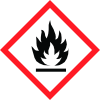
Highly Flammable liquid and vapour
Section 2
SECTION 2: Hazards identification
GHS Classification Flammable liquids Category 2 Substances and mixtures, which in contact with wa- ter, emit flammable gases Category 1 Skin corrosion/irritation Sub-category 1B Serious eye damage/eye Category 1 irritation Carcinogenicity Category 2 Specific target organ tox- icity - single exposure Category 3 (Respiratory system, Central nervous sys- tem)
Signal word
Danger
Hazard statements
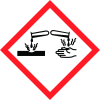
H225 Highly flammable liquid and vapour. H260 In contact with water releases flammable gases which may ignite spontaneously. H314 Causes severe skin burns and eye damage. H335 May cause respiratory irritation. H336 May cause drowsiness or dizziness. H351 Suspected of causing cancer.
Supplemental label elements
AUH019 May form explosive peroxides.
Prevention
P201 Obtain special instructions before use. P202 Do not handle until all safety precautions have been read and understood. P210 Keep away from heat, hot surfaces, sparks, open flames and other ignition sources. No smoking. P223 Do not allow contact with water. P231 + P232 Handle and store contents under inert gas. Protect from moisture. P233 Keep container tightly closed. P240 Ground and bond container and receiving equip- ment. P241 Use explosion-proof electrical/ ventilating/ light- ing equipment. P242 Use non-sparking tools. P243 Take action to prevent static discharges. P261 Avoid breathing mist or vapours. P264 Wash skin thoroughly after handling. P271 Use only outdoors or in a well-ventilated area. P280 Wear protective gloves/ protective clothing/ eye protection/ face protection.
Response
P301 + P330 + P331 + P310 IF SWALLOWED: Rinse mouth. Do NOT induce vomiting. Immediately call a POISON CENTER/ doctor. P302 + P335 + P334 IF ON SKIN: Brush off loose par- ticles from skin. Immerse in cool water. P303 + P361 + P353 IF ON SKIN (or hair): Take off immediately all contaminated clothing. Rinse skin with water. P304 + P340 + P310 IF INHALED: Remove person to fresh air and keep comfortable for breathing. Immedi- ately call a POISON CENTER/ doctor. P305 + P351 + P338 + P310 IF IN EYES: Rinse cau- tiously with water for several minutes. Remove contact lenses, if present and easy to do. Continue rinsing. Immediately call a POISON CENTER/ doctor. P308 + P313 IF exposed or concerned: Get medical advice/ attention. P363 Wash contaminated clothing before reuse. P370 + P378 In case of fire: Use dry sand, dry chemi- cal or alcohol-resistant foam to extinguish.
Storage
P402 + P404 Store in a dry place. Store in a closed container. P403 + P233 Store in a well-ventilated place. Keep container tightly closed. P403 + P235 Store in a well-ventilated place. Keep cool. P405 Store locked up.
Disposal
P501 Dispose of contents/ container to an approved waste disposal plant.
Other hazards which do not result in classification
None known.
2.1 Classification of the substance or mixture
Flammable liquids : Category 2 Substances and mixtures, : Category 1 which in contact with wa- ter, emit flammable gases Skin corrosion/irritation : Sub-category 1B Serious eye damage/eye : Category 1 irritation Carcinogenicity : Category 2 Specific target organ tox- : Category 3 (Respiratory system, Central nervous sys- icity - single exposure tem)



