



Note: Ingredients listed on restricted chemical lists
EC/CAS
9016-87-9
Name of the chemical
4,4'-Methylendiphenyldiisocyanat tech. (Polymeres) MDI, pMDI (in Form atembarer Aerosole, A-Fraktion)
Concentration
20-40
EC/CAS
101-68-8
Name of the chemical
4,4’-Methylenediphenyl diisocyanate
Concentration
10-30
EC/CAS
75-28-5
Name of the chemical
iso-Butan, enthält 0,1% Butadien
Concentration
1-10
General Information
Revision date
2024-10-23
Product name
Fire Foam
Product name
Fire Foam
Identification on the label/Trade name
AEROSOLS
Product Synonyms
53FRF
1.2.1 Relevant identified uses
Fire retardant PU foam
Icons in SDS


Company Information
company name
Macsim Fastenings
e-mail address of the competent person responsible for the Safety Data Sheet
info@macsim.com.au
GHS Information
Signal word
DANGER
Hazard Codes
Hazard statements (CLP)
H222, H280, H315, H317, H319, H332, H334, H335, H351, H373
Hazard statements
Code
Statements
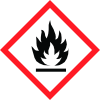
H222
Extremely flammable aerosol
Section 2
SECTION 2: Hazards identification
2.1 Classification of the substance or mixture
Carcinogenicity Category 2, Specific target organ toxicity - single exposure Category 3 (respiratory tract irritation), Specific target organ toxicity - repeated exposure Category 2 1. Classified by Chemwatch; 2. Classification drawn from HSIS ; 3. Classification drawn from EC Directive 1272/2008 - Legend
Signal word
DANGER
Hazard statements
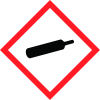
H222 Extremely flammable aerosol. H280 Contains gas under pressure; may explode if heated. H332 Harmful if inhaled. H315 Causes skin irritation. H319 Causes serious eye irritation. H334 May cause allergy or asthma symptoms or breathing difficulties if inhaled. H317 May cause an allergic skin reaction. H351 Suspected of causing cancer. H335 May cause respiratory irritation. H373 May cause damage to organs through prolonged or repeated exposure. AUH044 Risk of explosion if heated under confinement
Prevention
P201 Obtain special instructions before use. P210 Keep away from heat/sparks/open flames/hot surfaces. - No smoking. P211 Do not spray on an open flame or other ignition source. P251 Pressurized container: Do not pierce or burn, even after use. P260 Do not breathe dust/fume/gas/mist/vapours/spray. P271 Use only outdoors or in a well-ventilated area. P280 Wear protective gloves/protective clothing/eye protection/face protection. P281 Use personal protective equipment as required. P285 In case of inadequate ventilation wear respiratory protection. P272 Contaminated work clothing should not be allowed out of the workplace.
Response
P304+P340 IF INHALED: Remove victim to fresh air and keep at rest in a position comfortable for breathing. P308+P313 IF exposed or concerned: Get medical advice/attention. P342+P311 If experiencing respiratory symptoms: Call a POISON CENTER or doctor/physician. P362 Take off contaminated clothing and wash before reuse. P302+P352 IF ON SKIN: Wash with plenty of soap and water. P305+P351+P338 IF IN EYES: Rinse cautiously with water for several minutes. Remove contact lenses, if present and easy to do. Continue rinsing. P312 Call a POISON CENTER or doctor/physician if you feel unwell. P333+P313 If skin irritation or rash occurs: Get medical advice/attention. P337+P313 If eye irritation persists: Get medical advice/attention.
Storage
P405 Store locked up. P410+P403 Protect from sunlight. Store in a well-ventilated place. P410+P412 Protect from sunlight. Do not expose to temperatures exceeding 50 °C/122 °F. P403+P233 Store in a well-ventilated place. Keep container tightly closed.
Disposal
P501 Dispose of contents/container in accordance with local regulations.



