



Note: Ingredients listed on restricted chemical lists
EC/CAS
9016-45-9
Name of the chemical
Nonylphenolethoxylates (NPEO)
Concentration
<=100%
General Information
Revision date
2024-08-22
Product name
GN9
Product Synonyms
Ethoxylated nonylphenol; Nonylphenol, polyethylene glycol ether; Polyethylene glycol, nonylphenyl ether
Chemical name
Poly(oxy-1,2-ethanediyl), .alpha.-(nonylphenyl)-.omega.-hydroxy-
CAS No.
9016-45-9
1.2.1 Relevant identified uses
Surfactant; Emulsifier; Dispersant; Detergent
Emergency telephone
+64-4-9179888, 1-800-424-9300...
Icons in SDS


Company Information
company name
Location
GHS Information
Signal word
Danger
Hazard Codes
Hazard statements (CLP)
H302, H315, H318, H361fd, H411
Hazard statements
Code
Statements
H302
Harmful if swallowed
Section 2
SECTION 2: Hazards identification
Poisons Schedule (Aust) Not Scheduled Globally Harmonised System Hazard Classification Hazardous according to the criteria of the Globally Harmonised System of Classification and Labelling of Chemicals (GHS)
Hazard categories
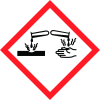
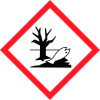
Acute Toxicity (Oral) - Category 4 Skin Corrosion/Irritation - Category 2 Serious Eye Damage/Irritation - Category 1 Toxic To Reproduction - Category 2 Acute Hazard To The Aquatic Environment - Category 2 Long-term Hazard To The Aquatic Environment - Category 2 Pictograms
Signal word
Danger Hazard Statements H302 Harmful if swallowed H315 Causes skin irritation H318 Causes serious eye damage H361fd Suspected of damaging fertility. Suspected of damaging the unborn child H411 Toxic to aquatic life with long lasting effects
Prevention
P280 Wear protective gloves/protective clothing/eye protection/face protection. P201 Obtain special instructions before use. P273 Avoid release to the environment. P270 Do not eat, drink or smoke when using this product.
Response
P305 + P351 + P338 IF IN EYES: Rinse cautiously with water for several minutes. Remove contact + P310 lenses, if present and easy to do. Continue rinsing. Immediately call a POISON CENTRE/doctor. P302 + P352 IF ON SKIN: Wash with plenty of water. P308 + P313 IF exposed or concerned: Get medical attention. P391 Collect spillage. P301 + P312 IF SWALLOWED: Call a POISON CENTER or doctor if you feel unwell. P330 Rinse mouth. P332 + P313 If skin irritation occurs: Get medical attention. P362 + P364 Take off contaminated clothing and wash it before reuse.
Storage
P405 Store locked up.
Disposal
P501 Dispose of contents/container in accordance with local / regional / national / international regulations. National Transport Commission (Australia) Australian Code for the Transport of Dangerous Goods by Road & Rail (ADG Code)
Classifications
NOT Dangerous Goods according to the criteria of the Australian Code for the Transport of Dangerous Goods by Road & Rail (ADG Code) Environmental Protection Authority (New Zealand) Hazardous Substances and New Organisms Amendment Act 2015
HSNO Classifications
Health 6.1D Substances that are acutely toxic - Harmful 6.3A Substances that are irritating to the skin 6.8B Substances that are suspected human reproductive or developmental toxicants 8.3A Substances that are corrosive to ocular tissue Environmental 9.1B Substances that are ecotoxic in the aquatic environment
2.1 Classification of the substance or mixture
Hazardous according to the criteria of the Globally Harmonised System of Classification and Labelling of Chemicals (GHS) Hazard Categories Acute Toxicity (Oral) - Category 4 Skin Corrosion/Irritation - Category 2 Serious Eye Damage/Irritation - Category 1 Toxic To Reproduction - Category 2 Acute Hazard To The Aquatic Environment - Category 2 Long-term Hazard To The Aquatic Environment - Category 2 Pictograms Signal Word Danger Hazard Statements H302 Harmful if swallowed. H315 Causes skin irritation. H318 Causes serious eye damage. H361fd Suspected of damaging fertility. Suspected of damaging the unborn child. H411 Toxic to aquatic life with long lasting effects.



