

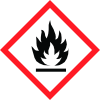

General Information
Version
1.11
Revision date
2019-08-19
Product name
DISILANE
Product Synonyms
Silicon Hexahydride; Disilicane; Silicon Hydride (Si2H6); Disilicon Hexahydride; Silicoethane; Silicon Hexahydride; Disilicane; Silicon Hydride (Si2H6); Disilicon Hexahydride; Silicoethane; Disilicoethane
CAS No.
1590-87-0
1.2.1 Relevant identified uses
Industrial and professional use
1.2.2. Uses advised against
Consumer use
Emergency telephone
+1 800-645-4633, 1-800-424-9300, +1-703-527-3887
Icons in SDS


Company Information
company name
Linde Gas North America LLC
GHS Information
Signal word
Danger
Hazard Codes
Hazard statements (CLP)
H220, H250, H280
Hazard statements
Code
Statements
H220
Extremely flammable gas
Section 2
SECTION 2: Hazards identification
This chemical is considered hazardous by the 2012 OSHA Hazard Communication Standard (29 CFR 1910.1200) Classification
Signal word
Danger
Hazard statements
Extremely flammable gas Catches fire spontaneously if exposed to air Contains gas under pressure; may explode if heated
Prevention
Do not handle until all safety precautions have been read and understood Keep away from heat, sparks, open flames, hot surfaces. — No smoking Do not allow contact with air Use and store only outdoors or in a well ventilated place Use a backflow preventive device in piping Use only with equipment rated for cylinder pressure Use equipment purged with inert gas or evacuated prior to discharge from cylinder Close valve after each use and when empty When returning cylinder, install leak tight valve outlet cap or plug Do not open valve until connected to equipment prepared for use Never put cylinders into unventilated areas of passenger vehicles
Response
IF INHALED: Remove person to fresh air and keep comfortable for breathing. IF ON SKIN:. Thaw frosted parts with lukewarm water. Do not rub affected area. Get immediate medical advice/attention. Leaking gas fire: do not extinguish, unless leak can be stopped safely Eliminate all ignition sources if safe to do so
Storage
Protect from sunlight when ambient temperature exceeds 52°C/125°F
2.3 Other hazards
Not applicable
2.1 Classification of the substance or mixture
OSHA Regulatory Status This chemical is considered hazardous by the 2012 OSHA Hazard Communication Standard (29 CFR 1910.1200). Flammable gases Category 1 Gases under pressure Liquefied gas Pyrophoric gas Yes



