

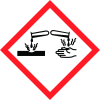


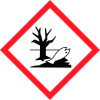
Note: Ingredients listed on restricted chemical lists
EC/CAS
532-82-1
Name of the chemical
Chrysoidinmonohydrochlorid; 4-Phenylazophenylen-1,3-C Chrysoidinemonoacetat; 4-(Phenylazo)benzol-1,3-diaminmonoacetat Chrysoidinacetat; 4-(Phenylazo)benzol-1,3-diaminacetat Chrysoidin-p-dodecylbenzolsulfonat; Dodecylbenzolsulfonsäure, Verbindung mit 4-(phenylazo)benzol-1,3-diamin (1:1) Chrysoidindihydrochlorid; 4-(phenylazo)benzol-1,3-diamindihydrochlorid Chrysoidinsulfat; Bis[4-(phenylazo)benzol-1,3-diamin]sulfat (790/2009)
Concentration
Trade secret
General Information
Revision date
2022-06-14
Product name
Basic Orange 2
Product Synonyms
None
CAS No.
532-82-1
1.2.2. Uses advised against
human or animal consumption
Emergency telephone
1-800-424-9300, +1 703-741-5970
Icons in SDS


Company Information
company name
LGC Standards
e-mail address of the competent person responsible for the Safety Data Sheet
lgcusa@lgcgroup.com, sds-request@lgcgroup.com
GHS Information
Signal word
Danger
Section 2
2.1 Classification of the substance or mixture
Classified according to OSHA. Acute toxicity - Oral Category 4 Skin corrosion/irritation Category 2 Serious eye damage/eye irritation Category 1 Germ cell mutagenicity Category 2 Acute aquatic toxicity Category 1 Chronic aquatic toxicity Category 1
2.3 Other hazards
Not applicable
2.2 Label elements
Danger
Hazard statements
Classified according to OSHA. Harmful if swallowed Causes skin irritation Causes serious eye damage Suspected of causing genetic defects Very toxic to aquatic life with long lasting effects
Prevention
Obtain special instructions before use Do not handle until all safety precautions have been read and understood Wear protective gloves/protective clothing/eye protection/face protection Wash face, hands and any exposed skin thoroughly after handling Do not eat, drink or smoke when using this product
Response
IF exposed or concerned: Get medical advice/attention IF IN EYES: Rinse cautiously with water for several minutes. Remove contact lenses, if present and easy to do. Continue rinsing Immediately call a POISON CENTER or doctor IF ON SKIN: Wash with plenty of water and soap If skin irritation occurs: Get medical advice/attention Take off contaminated clothing and wash it before reuse IF SWALLOWED: Call a POISON CENTER or doctor if you feel unwell Rinse mouth
Storage
Store locked up
Precautionary statements
Disposal Dispose of contents/container to an approved waste disposal plant
Further information
No information available.



