




Note: Ingredients listed on restricted chemical lists
EC/CAS
7439-92-1
Name of the chemical
Blei, massiv: [Partikeldurchmesser ≥ 1 mm]
Concentration
65%-75%
General Information
Revision date
2022-01-02
Product name
Common Synonyms
Chemical name
Electrical Battery Standby
Manufacturer Name
Leoch Battery(Jiangsu) Corp
Icons in SDS


Company Information
company name
Leoch Battery(Jiangsu) Corp
e-mail address of the competent person responsible for the Safety Data Sheet
Ma.zhanzhan@leoch.com
GHS Information
Signal word
Warning
Hazard Codes
Hazard statements (CLP)
H203, H220
Hazard statements
Code
Statements
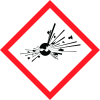
H203
Explosive; fire, blast or projection hazard
Section 2
SECTION 2: Hazards identification
HEALTH Acute Toxicity (Oral/Dermal/Inhalation) Category 4 Skin Corrosion/Irritation Category 1A Eye Damage Category 1 Reproductive Category 1A Carcinogenicity (lead compounds) Category 1B Carcinogenicity (arsenic) Category 1A Carcinogenicity (acid mist) Category 1A Specific Target Organ Category 2 Toxicity (repeated exposure) ENVIRONMENTAL PHYSICAL Aquatic Chronic 1 Explosive Chemical, Division 1.3 Aquatic Acute 1
2.2 Label elements
HEALTH ENVIRONMENTAL PHYSICAL
Hazard statements
DANGER! Causes severe skin burns and serious eye damage. May damage fertility or the unborn child if ingested or inhaled. May cause cancer if ingested or inhaled. Causes damage to central nervous system, blood and kidneys through prolonged or repeated
Precautionary statements
Wash thoroughly after handling. Do not eat, drink or smoke when using this product. Wear protective gloves/protective clothing, eye protection/face protection. Avoid breathing dust/fume/gas/mist/vapors/spray. exposure. May form explosive air/gas mixture during charging. Extremely flammable gas (hydrogen). Explosive, fire, blast, or projection hazard. May cause harm to breast-fed children Harmful if swallowed, inhaled, or contact with skin Causes skin irritation, serious eye damage. Use only outdoors or in a well-ventilated area. Contact with internal components may cause irritation or severe burns. Avoid contact with internal acid. Irritating to eyes, respiratory system, and skin. Obtain special instructions before use. Do not handle until all safety precautions have been read and understood Avoid contact during pregnancy/while nursing Keep away from heat./sparks/open flames/hot surfaces. No smoking
Other hazards
Mechanical VRLA Batteries can be heavy. Correct manual handling techniques and/or mechanical lifting aides (e.g. Fork Lift Truck) must be used. 2 / 11 Electrical VRLA Batteries can contain large amounts of electrical energy which can give very high discharge currents and severe electrical shock if the terminals are short circuited. Chemical -The VRLA Battery presents no chemical hazards during the normal operation provided the recommendations for handling, storage, transport and usage are observed. -VRLA Batteries emit hydrogen gas which is highly flammable and will form explosive mixtures in air from approx. 4% to 76%. This can be ignited by a spark at any voltage, naked flames or other sources of ignition. -If the battery is broken and the internal components exposed, hazards may exist which require careful attention. SECTION 3: HAZARDOUS INGREDIENTS/ IDENTITY INFORMATION COMPONENTS Approx. % by CAS Number Air Exposure Limits (μg/m3) LD50 Wt. ACGIH TLV OSHA NIOSH ORAL (mg/kg) Inorganic Lead/Lead 65%-75% 7439-92-1 150 50 10 -- Compounds Tin <0.5% 7440-31-5 2000 -- Calcium <0.1% 7440-70-2 -- Dilute Sulfuric Acid ~20% 7664-93-9 1000 2.14 Fiberglass Separator ~5% -- Case Material: ~5% 9003-56-9 -- Acrylonitrile Butadiene Styrene (ABS) SECTION 4: FIRST AID MEASURES FOR ACUTE EXPOSURE This information is of relevance only if the VRLA Battery has suffered damage, is broken and persons have direct contact with the internal components. Plate Grids Inhalation and Active Remove the person from exposure to fresh air. Seek advice from a medical doctor materials Ingestion Wash out mouth with water and give plenty of water to drink. Do not induce vomiting. Seek advice from a medical doctor


