




Note: Ingredients listed on restricted chemical lists
EC/CAS
7439-92-1
Name of the chemical
Blei, massiv: [Partikeldurchmesser ≥ 1 mm]
Concentration
N/A
Listed in
EC/CAS
7440-31-5
Name of the chemical
Organometallic tin
Concentration
N/A
General Information
Version
3.3
Revision date
2023-01-02
Product name
LP, LPL, LPF, LPX, LPS, XP, HXP, PLH, PLX, PLC+C, LOP, LC, LRC, LRCF,LHT, LHTF Series
1.2.1 Relevant identified uses
Lead acid battery. Lead Acid (Non-spillable) Battery
Icons in SDS


Company Information
company name
Leoch Battery Corp
e-mail address of the competent person responsible for the Safety Data Sheet
TS@leoch.us
GHS Information
Signal word
DANGER!
Hazard Codes
Hazard statements (CLP)
H203, H220, H302, H314, H318
Hazard statements
Code
Statements
H203
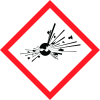
Explosive; fire, blast or projection hazard
H220
Extremely flammable gas
H302
Harmful if swallowed
H314
Causes severe skin burns and eye damage.
H318
Causes serious eye damage.
Section 2
SECTION 2: Hazards identification
Emergency Overview NOTE: Under normal conditions of battery use, internal components will not present a health hazard. The following information is provided for battery acid and lead exposure that may occur during battery production or container breakage or under extreme heat conditions such as fire. In case of rupture: Corrosive The product causes burns of eyes, skin and mucous membranes Appearance: No information available. Physical State: Solid. Odor: Odorless Health Environmental Physical Acute Toxicity Category 4 Aquatic Chronic 1 Explosive Chemical Division 1.3 (Oral/Dermal/Inhalation Skin Corrosion/Irritation Category 1A Aquatic Acute 1 Eye Damage Category 1 Reproductive Category 1A Carcinogenicity (lead) Category 2A Carcinogenicity (acid mist) Category 1A Specific Target Organ Toxicity Category 1A (Repeated exposure)
2.2 Label elements
Health Environmental Physical
Precautionary statements
DANGER! Wash thoroughly after handling. Causes severe skin burns and eye damage. Causes Do not eat, drink or smoke when using this product. serious eye damage. Wear protective gloves/protective clothing, eye protection/face protection. May damage fertility or the unborn child if Avoid breathing dust/fume/gas/mist/vapors/spray. ingested or inhaled. Use only outdoors or in a we-ll ventilated area. May cause cancer if ingested or inhaled. Causes skin irritation, serious eye damage. Causes damage to central nervous system, blood Con tact with internal components may cause irritation or severe burns. Avoid and kidneys through prolonged or repeated contact with internal acid. exposure. Irritating to eyes, respiratory system, and skin. May form explosive air/gas mixture during charging. Extremely flammable gas (hydrogen). Explosive, fire, blast or projection hazard.
Principle Routes of Exposure
Skin contact. Acute Toxicity Eyes Corrosive to the eyes and may cause severe damage including blindness. Skin Causes burns. Inhalation Harmful by inhalation. Contact with moist mucous membranes of the respiratory system can cause caustic condition resulting in burns. Ingestion Harmful if swallowed. Can burn mouth, throat, and stomach. Lead compounds may be absorbed by ingestion, by inhalation and through the
Potential chronic health
skin. Lead may damage kidney function, the blood forming system and the reproductive system. Avoid repeated exposure. Severe exposures can lead to shock, circulatory collapse, and death Lead Main Symptoms poisoning is characterized by a metallic taste in the mouth, loss of appetite indigestion, nausea, vomiting, constipation, sleep disturbances and overall weakness
Medical Conditions Generally Aggravated by Exposure
None known.
Environmental hazards
See Section 12 for additional Ecological Information


