

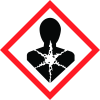

Note: Ingredients listed on restricted chemical lists
EC/CAS
13463-67-7
Name of the chemical
Reaction mass of titanium dioxide and silver chloride
Concentration
0.1 - 1
EC/CAS
1305-62-0
Name of the chemical
Calcium dihydroxide
Concentration
1 - 5
General Information
Version
5/25/2015
Revision date
2015-05-25
Product name
Ortho Plaster
Product Synonyms
None
1.2.2. Uses advised against
None
Manufacturer Name
Kulzer, LLC
Emergency telephone
1-800-424-9300
Icons in SDS


Company Information
company name
Kulzer, LLC
GHS Information
Signal word
DANGER
Hazard Codes
Hazard statements (CLP)
H315, H319, H351, H372
Hazard statements
Code
Statements
H315
Causes skin irritation
Section 2
SECTION 2: Hazards identification
Classification of the chemical in accordance with CFR 1910.1200(d)(f)
Signal word
DANGER. GHS Class Specific Target Organ Toxicity -STOT Repeated exposure RE. category 1 (Inhalation, Lung). Carcinogenicity. Category 2. Eye Irritation. Category 2. Skin Irritation. Category 2.
Hazard statements
H372 - Causes damage to organs through prolonged or repeated exposure. H351 - Suspected of causing cancer. H319 - Causes serious eye irritation. H315 - Causes skin irritation.
Precautionary statements
P201 - Obtain special instructions before use. P202 - Do not handle until all safety precautions have been read and understood. P260 - Do not breathe dust/fume/gas/mist/vapours/spray. P264 - Wash hands thoroughly after handling. P270 - Do not eat, drink or smoke when using this product. P280 - Wear protective gloves/protective clothing/eye protection/face protection. P302+P352 - IF ON SKIN: Wash with plenty of water. P305+P351+P338 - IF IN EYES: Rinse cautiously with water for several minutes. Remove contact lenses, if present and easy to do. Continue rinsing. P308+P313 - IF exposed or concerned: Get medical advice/attention. P314 - Get medical advice/attention if you feel unwell. P321 - Specific treatment (see ... on this label). P332+P313 - If skin irritation occurs: Get medical advice/attention. P337+P313 - If eye irritation persists: Get medical advice/attention. P362+P364 - Take off contaminated clothing and wash it before reuse. P405 - Store locked up. P501 - Dispose of contents/container in accordance with Local, State, Federal and Provincial regulations. Hazards not otherwise classified that have been identified during the classification process
Principle Routes of Exposure
Eyes. Skin. Inhalation. Ingestion.
Potential health effects
Eye Eye contact with the dust may cause irritation. Skin May cause skin irritation. Inhalation May be harmful if inhaled. Ingestion May be harmful if ingested. Target Organs Eyes. Skin. Respiratory system. Digestive system. Aggravation of Pre-Existing None generally recognized. Conditions
2.1 Classification of the substance or mixture
GHS Pictograms: Signal Word: DANGER. GHS Class: Specific Target Organ Toxicity -STOT Repeated exposure RE. category 1 (Inhalation, Lung). Carcinogenicity. Category 2. Eye Irritation. Category 2. Skin Irritation. Category 2. Hazard Statements: H372 - Causes damage to organs through prolonged or repeated exposure. H351 - Suspected of causing cancer. H319 - Causes serious eye irritation. H315 - Causes skin irritation.



