


Note: Ingredients listed on restricted chemical lists
EC/CAS
67-56-1
Name of the chemical
Methanol
Concentration
N/A
General Information
Revision date
2014-08-01
Product name
4 CN Substrate
CAS No.
67-56-1
1.2.1 Relevant identified uses
Reagent
Icons in SDS
Company Information
company name
KPL, Inc
e-mail address of the competent person responsible for the Safety Data Sheet
kplmsds@seracare.com
GHS Information
Signal word
Danger
Hazard Codes
Hazard statements (CLP)
H225, H301, H311, H331, H371
Hazard statements
Code
Statements
H225
Highly Flammable liquid and vapour
Section 2
SECTION 2: Hazards identification
GHS Classification in Accordance with 29 CFR 1910 (OSHA HCS): Hazard Type
2.1 Classification of the substance or mixture
Flammable liquids, Category 2; H225 Acute toxicity, Category 3, inhalation; H331 Acute toxicity, Category 3, dermal; H311 Acute toxicity, Category 3, oral; H301 Specific Target Organ Toxicity (single exposure), Category 2; H371
Hazard statements
H225: Highly flammable liquid and vapour. H331: Toxic if inhaled. H311: Toxic in contact with skin. H301: Toxic if swallowed. H371: May cause damage to organs.
Precautionary statements
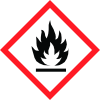
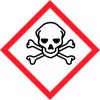
P210: Keep away from heat/ sparks/ open flames/ hot surfaces. No smoking. P233: Keep container tightly closed. P240: Ground/bond container and receiving equipment. P241: Use explosion-proof electrical/ ventilating/ lighting equipment. P242: Use only non-sparking tools. P243: Take precautionary measures against static discharge. P280: Wear protective gloves/ protective clothing/ eye protection/ face protection. P260: Do not breathe dust/ fume/ gas/mist/ vapours/ spray. P271: Use only outdoors or in a well-ventilated area. P284: Wear respiratory protection. P264 : Wash skin thoroughly after handling. P270: Do not eat, drink or smoke when using this product. Symbols of Danger GHS02 GHS06 GHS08 Dgr: Danger Data for 100% Hazardous Chemical
Principle Routes of Exposure
The substance can be absorbed into the body by inhalation and through the skin and by ingestion. INHALATION RISK: A harmful contamination of the air can be reached rather quickly on evaporation of this substance at 20°C. SHORT-TERM EXPOSURE The substance is irritating to the eyes , the skin and the respiratory tract . The substance may cause effects on the central nervous system , resulting in loss of consciousness. LONG-TERM EXPOSURE: Repeated or prolonged contact with skin may cause dermatitis. The substance may have effects on the central nervous system , resulting in persistent or recurring headaches and impaired vision. The product is a Mixture. It May Cause the following symptoms. Redness. Pain. MAY BE ABSORBED! Dry skin. Redness. Cough. Dizziness. Headache. Nausea. Weakness. Visual disturbance. Abdominal pain. Shortness of breath. Vomiting. Convulsions. Unconsciousness. (Further see Inhalation).



