



Note: Ingredients listed on restricted chemical lists
EC/CAS
7440-02-0
Name of the chemical
Nickel
Concentration
≥60
EC/CAS
7440-47-3
Name of the chemical
Chromium; chromic acid and its salts
Concentration
10 - 15
EC/CAS
1305-78-8
Name of the chemical
Calcium oxide
Concentration
6 - 9
EC/CAS
14808-60-7
Name of the chemical
Silica, crystalline
Concentration
3 - 5
EC/CAS
13463-67-7
Name of the chemical
Reaction mass of titanium dioxide and silver chloride
Concentration
1 - 3
EC/CAS
1344-28-1
Name of the chemical
aluminium oxide
Concentration
0.3 - 0.5
EC/CAS
1309-48-4
Name of the chemical
magnesium oxide
Concentration
0.3 - 0.5
General Information
Version
1.0
Revision date
2022-04-27
Product name
KNCF-4
1.2.1 Relevant identified uses
Categories
supplier name
KISWEL
Icons in SDS


Company Information
company name
KISWEL
GHS Information
Signal word
(GHS KR
Hazard Codes
Hazard statements (CLP)
H228, H314, H317, H318, H334, H371, H373, H400
Hazard statements
Code
Statements
H228
Flammable solid
Section 2
SECTION 2: Hazards identification
2.1 Classification of the substance or mixture
Flammable solids, Category 1 H228 Skin corrosion/irritation, Category 1 H314 Serious eye damage/eye irritation, Category 1 H318 Respiratory sensitisation, Category 1 H334 Skin sensitisation, Category 1 H317 Specific target organ toxicity - Single exposure, Category 2 H371 Specific target organ toxicity - Repeated exposure, Category 2 H373 Hazardous to the aquatic environment – Acute Hazard, Category 1 H400
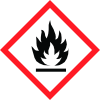
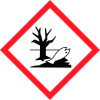
Hazard pictograms
GHS KR)
Signal word
GHS KR) Danger.
Hazard statements
GHS KR) H228 - Flammable solid. H314 - Causes severe skin burns and eye damage. H317 - May cause an allergic skin reaction. H318 - Causes serious eye damage. H334 - May cause allergic reactions, asthma or shortness of breath and etc if inhaled. H371 - May cause damage to organs. H373 - May cause damage to organs through prolonged or repeated exposure. H400 - Very toxic to aquatic life.
Precautionary statements
KR) P210 - Keep away from heat/hot surfaces/sparks/open flames/other ignition sources. No smoking. P240 - Ground container and receiving equipment. P241 - Use explosion-proof electrical/ventilating/lighting/… equipment. P260 - Do not breathe dust/fume/gas/mist/vapours/spray. P261 - Avoid breathing dust/fume/gas/mist/vapours/spray. P264 - Wash hands, forearms and face thoroughly after handling. P270 - Do not eat, drink or smoke when using this product. P272 - Contaminated work clothing should not be allowed out of the workplace. P273 - Avoid release to the environment. P280 - Wear protective gloves/protective clothing/eye protection/face protection/hearing protection. P284 - Wear respiratory protection. Treatment: P301+P330+P331 - IF SWALLOWED: Rinse mouth. Do NOT induce vomiting. P302+P352 - IF ON SKIN: Wash with plenty of water/…. P303+P361+P353 - IF ON SKIN (or hair): Take off immediately all contaminated clothing. Rinse skin with water. P304+P340 - IF INHALED: Remove person to fresh air and keep comfortable for breathing. P305+P351+P338 - IF IN EYES: Rinse cautiously with water for several minutes. Remove contact lenses, if present and easy to do. Continue rinsing. P308+P311 - IF exposed or concerned: Call a POISON CENTER/doctor/…. P310 - Immediately call a POISON CENTER/doctor/…. P314 - Get medical advice/attention if you feel unwell. P321 - Take … treatment. P333+P313 - If skin irritation or rash occurs: Get medical advice/attention. P342+P311 - If experiencing respiratory symptoms: Call a POISON CENTER/doctor/…. P362+P364 - Take off contaminated clothing and wash it before reuse. P363 - Wash contaminated clothing before reuse. P370+P378 - In case of fire: Use … to extinguish. P391 - Collect spillage.
Storage
P405 - Store locked up.
Disposal
P501 - Dispose of contents/container according to waste related regulations.
Other hazards which do not result in classification
Hazard Risk Not applicable



