


Note: Ingredients listed on restricted chemical lists
EC/CAS
75-28-5
Name of the chemical
iso-Butan, enthält 0,1% Butadien
Concentration
N/A
EC/CAS
90-43-7
Name of the chemical
Biphenyl-2-ol
Concentration
N/A
General Information
Revision date
2016-03-14
Product name
Clippercide
Emergency telephone
INFOTRAC- 1-800-535-5053
Icons in SDS


Company Information
company name
King Research, Inc
Section 2
2.1 Classification of the substance or mixture
Clear aerosol. Alcohol and disinfectant odor This material is classified as hazardous under OSHA regulations (29 CFR 1910.1200) (Hazcom 2012). Flammable aerosol – Category 2 Skin irritation – Category 2 Eye irritation – Category 2A Acute Toxicity- Inhalation – Category 4
Hazard statements
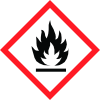
Flammable aerosol Causes Skin irritation. Causes Serious Eye irritation. Harmful if inhaled
Precautionary statements
Keep away from heat, sparks, open flames and hot surfaces No smoking. Do not spray on an open flame or other ignition source. 1 Identification (continued) Pressurized container: Do not pierce or burn, even after use. Protect from sunlight. Do not expose to temperatures exceeding 50oC (122oF). Wash hands thoroughly after handling. If on Skin: Wash with plenty of soap and water. If skin irritation occurs get medical advice/attention. Take off contaminated clothing and wash before reuse. Wear protective gloves. Wear eye protection such as goggles or safety glasses with side shields. If in eyes: Rinse cautiously with water for 15 minutes. Remove contact lenses, if present and easy to do. Continue rinsing. If eye irritation persists get medical advice/attention. Do not eat, drink or smoke when using this product. Avoid directly breathing spray or vapors. Use in a well ventilated area. If inhaled: Remove person to fresh air and seek medical attention if you feel unwell. Dispose of contents/container in accordance with local, state, federal or international regulations.
Hazard pictograms
Other Hazards not otherwise classified: This product contains 4.72% ingredients of an unknown acute toxicity. See section 11 for more information.



