



Note: Ingredients listed on restricted chemical lists
EC/CAS
8052-41-3
Name of the chemical
Stoddard Solvent; Naphtha (petroleum), hydrodesulfurized heavy
Concentration
10-15%
EC/CAS
106-97-8
Name of the chemical
n-Butan, enthält 0,1% Butadien
Concentration
5-10%
EC/CAS
110-54-3
Name of the chemical
n-Hexan (790/2009)
Concentration
5-<10%
EC/CAS
14807-96-6
Name of the chemical
Talc
Concentration
1-5%
EC/CAS
1333-86-4
Name of the chemical
carbon black
Concentration
1-5%
EC/CAS
64741-88-4
Name of the chemical
Distillates (petroleum), solvent-refined heavy paraffinic, if they contain > 3 % w/w DMSO extract
Concentration
0.2-1% 0.17%
General Information
Revision date
2022-06-09
Product name
DARK SHIELD
1.2.1 Relevant identified uses
Paint and coatings application
1.2.2. Uses advised against
Any that differs from the recommended use
Emergency telephone
800-424-9300
Icons in SDS


Company Information
company name
Kimball Midwest
GHS Information
Signal word
Danger
Hazard Codes
Hazard statements (CLP)
H222, H229, H280, H315, H317, H319, H336, H350, H361, H373
Hazard statements
Code
Statements
H222
Extremely flammable aerosol
Section 2
SECTION 2: Hazards identification
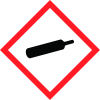
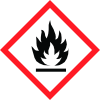
Classification of the substance or mixture Flammable Aerosols 1 H222 Extremely flammable aerosol Gases under Pressure - Liquefied gas H280 Contains gas under pressure; may explode if heated Skin Irrititation 2 H315 Causes skin irritation Eye Irritation 2A H319 Causes serious eye irritation Sensitization - Skin 1 H317 May cause an allergic skin reaction Carcinogenicity 1B H350 May cause cancer Toxic to Reproduction 2 H361 Suspected of damaging fertility or the unborn child Specific Target Organ Toxicity - Single Exposure 3 H336 May cause drowsiness or dizziness Specific Target Organ Toxicity - Repeated Exposure 2 H373 May cause damage to the central nervous system and the lung through prolonged or repeated exposure. Route of exposure: Inhalation Additional information GHS Hazard pictograms GHS02 GHS04 GHS07 GHS08
Signal word
Danger Hazard statements Extremely flammable aerosol Contains gas under pressure; may explode if heated Causes skin irritation Causes serious eye irritation May cause an allergic skin reaction May cause cancer Suspected of damaging fertility or the unborn child May cause drowsiness or dizziness May cause damage to the central nervous system and the lung through prolonged or repeated exposure. Route of exposure: Inhalation
Precautionary statements
Obtain special instructions before use. Keep away from heat/sparks/open flames/hot surfaces. - No smoking. Do not spray on an open flame or other ignition source. Pressurized container: Do not pierce or burn, even after use. Do not breathe dust/fume/gas/mist/vapors/spray. Wash thoroughly after handling. Use only outdoors or in a well-ventilated area. Wear protective gloves/protective clothing/eye protection/face protection. IF INHALED: Remove person to fresh air and keep comfortable for breathing. If in eyes: Rinse cautiously with water for several minutes. Remove contact lenses, if present and easy to do. Continue rinsing. Call a poison center/doctor if you feel unwell. Specific treatment (see on this label). Take off contaminated clothing and wash it before reuse. If eye irritation persists: Get medical advice/attention. Store locked up. Protect from sunlight. Do not expose to temperatures exceeding 50°C/122°F. Dispose of contents/container in accordance with local/regional/national/international regulations.
2.1 Classification of the substance or mixture
Flammable Aerosols 1 H222 Extremely flammable aerosol. Gases under Pressure - Liquefied gas H280 Contains gas under pressure; may explode if heated. Skin Irrititation 2 H315 Causes skin irritation. Eye Irritation 2A H319 Causes serious eye irritation. Sensitization - Skin 1 H317 May cause an allergic skin reaction. Carcinogenicity 1B H350 May cause cancer. Toxic to Reproduction 2 H361 Suspected of damaging fertility or the unborn child. Specific Target Organ Toxicity - Single Exposure 3 H336 May cause drowsiness or dizziness. Specific Target Organ Toxicity - Repeated Exposure 2 H373 May cause damage to the central nervous system and the lung through prolonged or repeated exposure. Route of exposure: Inhalation. Additional information: GHS Hazard pictograms GHS02 GHS04 GHS07 GHS08 Signal word Danger Hazard statements Extremely flammable aerosol. Contains gas under pressure; may explode if heated. Causes skin irritation. Causes serious eye irritation. May cause an allergic skin reaction. May cause cancer. Suspected of damaging fertility or the unborn child. May cause drowsiness or dizziness. May cause damage to the central nervous system and the lung through prolonged or repeated exposure. Route of exposure: Inhalation.



