


Note: Ingredients listed on restricted chemical lists
EC/CAS
68424-85-1
Name of the chemical
Alkyl (C12-16) dimethylbenzyl ammonium chloride
Concentration
8-10
EC/CAS
7173-51-5
Name of the chemical
Didecyldimethylammonium chloride
Concentration
3.5-5
EC/CAS
32426-11-2
Name of the chemical
Decyldimethyloctylammonium chloride
Concentration
6-8
EC/CAS
5538-94-3
Name of the chemical
Dimethyldioctylammonium chloride
Concentration
2-5 <0.3 <1
EC/CAS
7732-18-5
Name of the chemical
Water, distilled, conductivity or of similar purity H2O
Concentration
75-85
General Information
Revision date
2021-10-20
Product name
Viru Scrub Plus
Chemical name
Quaternary Ammonium Chloride Blend
1.2.1 Relevant identified uses
Disinfectant, Virucide, Fungicide
Emergency telephone
800-255-3924, 800-222-1222
Icons in SDS


Company Information
company name
Jani-Source Inc
GHS Information
Signal word
DANGER
Hazard Codes
Hazard statements (CLP)
H227, H302, H314, H318, H410
Hazard statements
Code
Statements
H227
Combustible liquid
Section 2
SECTION 2: Hazards identification
2.1 Classification of the substance or mixture
Health: Acute Toxicity (Oral), Category 4 Skin Corrosion, Category 1C Eye Damage, Category 1 Environmental: Aquatic Toxicity, Category 1 Physical: Combustible Liquid, Category 4
2.2 Label elements
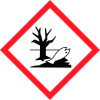
Corrosion Exclamation Environment mark
Signal word
DANGER
Hazard statements
H318: Causes serious eye damage. H314: Causes severe skin burns and eye damage. H302: Harmful if swallowed. H227: Combustible liquid. H410: Very toxic to aquatic life with long lasting effects.
Prevention
P280: Wear protective gloves/protective clothing/eye protection/face protection. P270: Do not eat, drink or smoke when using this product. P264: Wash hands thoroughly after handling. P102: Keep out of reach of children. P210: Keep away from heat, hot surfaces, sparks, open flames and other ignition sources. No smoking. P233: Keep container tightly closed. P240: Ground and bond container and receiving equipment. P241: Use explosion-proof electrical, ventilating, lighting equipment. P242: Use non-sparking tools. P243: Take action to prevent static discharges.
Response
P301+P330+P331 IF SWALLOWED Rinse mouth. Do NOT induce vomiting P310: Immediately call a POISON CENTER or doctor/physician. P305+P351+P338 IF IN EYES Rinse cautiously with water for several minutes. Remove contact lenses, if present and easy to do. Continue rinsing. P310: Immediately call a POISON CENTER or doctor/physician. P303+P361+P353 IF ON SKIN (or hair) Take off immediately all contaminated clothing. Rinse skin with water [or shower] P363: Wash contaminated clothing before reuse. P370+P378 In case of fire Use dry chemical, foam or water mist to extinguish
Storage
P403+P235: Store in a well-ventilated place. Keep cool. P405: Store locked up.
Disposal
P501: Dispose of contents/container according to all local, state and Federal regulations. EMERGENCY OVERVIEW PHYSICAL APPEARANCE: Purple liquid. IMMEDIATE CONCERNS: Causes irreversible eye damage and skin burns.
Potential health effects
EYES: Corrosive, contact causes severe eye burns. SKIN: Contact causes severe skin irritation and possible burns. SKIN ABSORPTION: Harmful if absorbed through skin. INGESTION: Harmful if swallowed. INHALATION: Not Established REPRODUCTIVE TOXICITY REPRODUCTIVE EFFECTS: No known significant effects or critical hazards.
Teratogenic Effects
No known significant effects or critical hazards CARCINOGENICITY: No known significant effects or critical hazards. MUTAGENICITY: No known significant effects or critical hazards.
Principle Routes of Exposure
Eye, skin, ingestion TARGET ORGAN STATEMENT: No known significant effects or critical hazards. CANCER STATEMENT: None SENSITIZATION: No known significant effects or critical hazards. WARNING CAUTION LABELS: Irritant



