



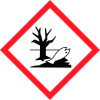
Note: Ingredients listed on restricted chemical lists
EC/CAS
27138-31-4
Name of the chemical
DPGDB, Oxydipropyl dibenzoate
Concentration
45.6-50.4
EC/CAS
68479-98-1
Name of the chemical
Diethylmethylbenzenediamine
Concentration
37-40.9
EC/CAS
8013-07-8
Name of the chemical
ESBO, Soybean oil, epoxidized
Concentration
4.2-4.7
EC/CAS
1333-86-4
Name of the chemical
carbon black
Concentration
1.8-2
General Information
Version
7.1
Revision date
2023-03-10
Product name
Devcon Flexane 80 Putty Curing Agent
Product name
Devcon Flexane 80 Putty Curing Agent
Identification on the label/Trade name
ENVIRONMENTALLY HAZARDOUS SUBSTANCE, LIQUID, N.O.S. (contains diethyltoluenediamine)
Product Synonyms
Not Available
Chemical name
Not Applicable
1.2.1 Relevant identified uses
The use of a quantity of material in an unventilated or confined space may result in increased exposure and an irritating atmosphere developing. Before starting consider control of exposure by mechanical ventilation
Emergency telephone
+61 1800 951 288, +64 800 700...
Icons in SDS


Company Information
company name
ITW Polymers & Fluids (NZ)
GHS Information
Signal word
Danger
Hazard Codes
Hazard statements (CLP)
H302, H312, H319, H372, H410
Hazard statements
Code
Statements
H302
Harmful if swallowed
Section 2
SECTION 2: Hazards identification
1272/2008 Classification of the substance or mixture Considered a Hazardous Substance according to the criteria of the New Zealand Hazardous Substances New Organisms legislation Classified as Dangerous Goods for transport purposes. Acute Toxicity (Oral) Category 4, Acute Toxicity (Dermal) Category 4, Serious Eye Damage/Eye Irritation Category 2, Specific Classification [1] Target Organ Toxicity - Repeated Exposure Category 1, Hazardous to the Aquatic Environment Acute Hazard Category 1, Hazardous to the Aquatic Environment Long-Term Hazard Category 1 Legend: Determined by Chemwatch using GHS/HSNO criteria Classified by Chemwatch; 2. Classification drawn from CCID EPA NZ; 3. Classification drawn from Regulation (EU) No
Signal word
Danger
Hazard statements
H302 Harmful if swallowed. H312 Harmful in contact with skin. H319 Causes serious eye irritation. H372 Causes damage to organs through prolonged or repeated exposure. H410 Very toxic to aquatic life with long lasting effects.
Precautionary statements
P101 If medical advice is needed, have product container or label at hand. P102 Keep out of reach of children. P103 Read carefully and follow all instructions.
Prevention
P260 Do not breathe mist/vapours/spray. P264 Wash all exposed external body areas thoroughly after handling. P270 Do not eat, drink or smoke when using this product. P273 Avoid release to the environment.
Response
P305+P351+P338 IF IN EYES: Rinse cautiously with water for several minutes. Remove contact lenses, if present and easy to do. Continue rinsing. P337+P313 If eye irritation persists: Get medical advice/attention. P391 Collect spillage. P301+P312 IF SWALLOWED: Call a POISON CENTER/doctor/physician/first aider if you feel unwell.
Storage
Not Applicable
Disposal
P501 Dispose of contents/container to authorised hazardous or special waste collection point in accordance with any local regulation.
2.1 Classification of the substance or mixture
[1] Target Organ Toxicity - Repeated Exposure Category 1, Hazardous to the Aquatic Environment Acute Hazard Category 1, Hazardous to the Aquatic Environment Long-Term Hazard Category 1 1. Classified by Chemwatch; 2. Classification drawn from CCID EPA NZ; 3. Classification drawn from Regulation (EU) No Legend: 1272/2008 - Annex VI Determined by Chemwatch 6.1D (dermal), 6.1D (oral), 6.4A, 6.9A, 9.1A using GHS/HSNO criteria Page 1 continued... Label elements Hazard pictogram(s) Signal word Danger



