





Note: Ingredients listed on restricted chemical lists
EC/CAS
7439-92-1
Name of the chemical
Blei, massiv: [Partikeldurchmesser ≥ 1 mm]
Concentration
45 - 91
EC/CAS
1309-60-0
Name of the chemical
Lead peroxide
Concentration
≤25
EC/CAS
7732-18-5
Name of the chemical
Water, distilled, conductivity or of similar purity H2O
Concentration
≤24
EC/CAS
7440-36-0
Name of the chemical
Antimony
Concentration
<0.5
General Information
Version
1.0
Revision date
2025-06-13
Product name
AGM battery
1.2.1 Relevant identified uses
Batteries for automotive
supplier name
Interstate Batteries Inc
Emergency telephone
1-800-255-3924
Icons in SDS


Company Information
company name
Interstate Batteries Inc
GHS Information
Signal word
Danger
Hazard Codes
Hazard statements (CLP)
H360D, H360F
Hazard statements
Code
Statements
H360D
May damage the unborn child
Section 2
SECTION 2: Hazards identification
2.1 Classification of the substance or mixture
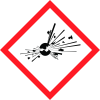
Under normal conditions of battery use, internal components will not present any hazard. The following information is provided for battery electrolyte (acid) and lead for exposures that may occur during battery production or container breakage or under extreme heat conditions such as fire. GHS US classification Explosive, Division 1.3 Explosive; fire, blast or projection hazard. Acute toxicity (oral), Category 4 Harmful if swallowed. Acute toxicity (dermal), Category 4 Harmful in contact with skin. Acute toxicity (inhalation), Category 4 Harmful if inhaled. Skin corrosion/irritation, Category 1A Causes severe skin burns and eye damage. Serious eye damage/eye irritation, Category 1 Causes serious eye damage. Carcinogenicity, Category 1A May cause cancer (if inhaled, if swallowed). Reproductive toxicity, Category 1A May damage fertility. May damage the unborn child. (if inhaled, if swallowed). Reproductive toxicity, Additional category, Effects on or via lactation May cause harm to breast-fed children. Specific target organ toxicity — Repeated exposure, Category 2 May cause damage to organs (kidneys, blood, central nervous system) through prolonged or repeated exposure. Hazardous to the aquatic environment — Acute Hazard, Category 1 Very toxic to aquatic life. Hazardous to the aquatic environment — Chronic Hazard, Category 1 Very toxic to aquatic life with long lasting effects.
Classification (GHS-US)
Explosive, Division 1.3 Acute toxicity (oral), Category 4 Acute toxicity (dermal), Category 4 Acute toxicity (inhalation), Category 4 Skin corrosion/irritation, Category 1A Serious eye damage/eye irritation, Category 1 Carcinogenicity, Category 1A Reproductive toxicity, Category 1A Explosive; fire, blast or projection hazard. Harmful if swallowed. Harmful in contact with skin. Harmful if inhaled. Causes severe skin burns and eye damage. Causes serious eye damage. May cause cancer (if inhaled, if swallowed). May damage fertility. May damage the unborn child. (if inhaled, if swallowed). Reproductive toxicity, Additional category, Effects on or via lactation May cause harm to breast-fed children. Specific target organ toxicity — Repeated exposure, Category 2 May cause damage to organs (kidneys, blood, central nervous system) through prolonged or repeated exposure. Hazardous to the aquatic environment — Acute Hazard, Category 1 Very toxic to aquatic life. Hazardous to the aquatic environment — Chronic Hazard, Category 1 Very toxic to aquatic life with long lasting effects.
2.2 Label elements
GHS US labeling
Signal word
Danger
Hazard statements
Explosive; fire, blast or projection hazard Harmful if swallowed, in contact with skin or if inhaled Causes severe skin burns and eye damage May cause cancer (if inhaled, if swallowed). May damage fertility. May damage the unborn child. (if inhaled, if swallowed) May cause harm to breast-fed children May cause damage to organs (kidneys, blood, central nervous system) through prolonged or repeated exposure Very toxic to aquatic life Very toxic to aquatic life with long lasting effects
Precautionary statements
Obtain special instructions before use. Do not handle until all safety precautions have been read and understood. Keep away from heat, hot surfaces, sparks, open flames and other ignition sources. No smoking. Keep wetted with appropriate material. Ground/Bond container and receiving equipment. Do not subject to grinding, friction, shock. Do not breathe dusts or mists. Avoid contact during pregnancy and while nursing. Wash hands, forearms and face thoroughly after handling. Do not eat, drink or smoke when using this product. Use only outdoors or in a well-ventilated area. Avoid release to the environment. Wear protective clothing, eye and face protection. If swallowed: Call a POISON CENTER, a doctor if you feel unwell. If swallowed: rinse mouth. Do NOT induce vomiting. If on skin: Wash with plenty of soap and water. If on skin (or hair): Take off immediately all contaminated clothing. Rinse skin with water/shower. If inhaled: Remove person to fresh air and keep comfortable for breathing. IF IN EYES: Rinse cautiously with water for several minutes. Remove contact lenses, if present and easy to do. Continue rinsing. If exposed or concerned: Get medical advice/attention. Call a doctor, a POISON CENTER if you feel unwell. Rinse mouth. Take off contaminated clothing and wash it before reuse. Take off immediately all contaminated clothing and wash it before reuse. In case of fire: Explosion risk. Evacuate area. DO NOT fight fire when fire reaches explosives. Collect spillage. Store in accordance with local regulations on explosives. Store locked up. Dispose of a licensed hazardous-waste disposal contractor or collection site except for empty clean containers which can be disposed of as non-hazardous waste to a licensed hazardous- waste disposal contractor or collection site except for empty clean containers which can be disposed of as non-hazardous waste.
Other hazards which do not result in classification
No additional information available
Ingredient(s) with unknown acute toxicity
Not applicable



