


Note: Ingredients listed on restricted chemical lists
EC/CAS
205-500-4/141-78-6
Name of the chemical
acetic acid, ethyl ester
Concentration
25-31
EC/CAS
200-578-6/64-17-5
Name of the chemical
Ethanol
Concentration
23-29
EC/CAS
204-658-1/123-86-4
Name of the chemical
acetic acid, butyl ester
Concentration
15-19
EC/CAS
9004-36-8
Name of the chemical
cellulose acetate butyrate
Concentration
19-11
EC/CAS
229-934-9/6846-50-0
Name of the chemical
2,2,4-trimethyl-1,3-pentanediol diisobutyrate
Concentration
3-5
EC/CAS
204-112-2/115-86-6
Name of the chemical
Triphenylphosphate
Concentration
1-3
EC/CAS
9004-70-0
Name of the chemical
Nitrocellulose
Concentration
1-3
EC/CAS
200-661-7/67-63-0
Name of the chemical
Propan-2-ol
Concentration
1-3
EC/CAS
205-029-4/131-56-6
Name of the chemical
2,4-Dihydroxybenzophenone
Concentration
<1
EC/CAS
201-353-5/81-48-1
Name of the chemical
2,2′-[Cyclohexylidenebis[(2-methyl-4,1-phenylene)azo]]bis[4-cyclohexylphenol] (Solvent Yellow 29; CI 21230) when used as a substance in hair dye products
Concentration
N/A
EC/CAS
223-339-8/3844-45-9
Name of the chemical
Benzenemethanaminium, N-ethyl-N-[4-[[4-[ethyl-[(3-sulfophenyl)-methyl]-amino]-phenyl](2-sulfophenyl)methylene]-2,5-cyclohexadien-1-ylidene]-3-sulfo, inner salts, disodium salt and its ammonium and aluminium salts (17); (CI 42090)
Concentration
N/A
General Information
Revision date
2021-01-27
Product name
Nail Lacquer
Product name
Nail Lacquer
Identification on the label/Trade name
INM
Product Synonyms
Cellulose Nail Lacquer
Chemical name
Solvent Mixture
1.2.1 Relevant identified uses
Cosmetic Use Only
Manufacturer Name
INM 1517 Harmony Cir Anaheim
Emergency telephone
Karen Clark 021 286 4077. National Poisons Centre 0800 POISON (764 766
Icons in SDS


Company Information
company name
INM
GHS Information
Signal word
Danger
Hazard Codes
Hazard statements (CLP)
H225, H317, H319, H335, H336
Hazard statements
Code
Statements
H225
Highly Flammable liquid and vapour
Section 2
SECTION 2: Hazards identification
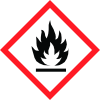
GHSO2 FLAME This product is classified as a hazardous substance and as dangerous goods according to the classification criteria of (OSHA HazCom2012 (29 CFR 1910.1200) standard
Signal word
DANGER - HIGHLY FLAMMABLE LIQUID AND VAPOR, MAY CAUSE AN ALLERGIC SKIN REACTION. CAUSES SERIOUS EYE IRRITATION. MAY CAUSE RESPIRATORY IRRITATION. MAY CAUSE DROWSINESS OR DIZZINESS. GHSO2 FLAME, GHS07-IRRITIANT
2.1 Classification of the substance or mixture
Flam .Liq. 2 Skin Sens. 1A,1B; Eye Irrit. 2A; STOT SE 3
Hazard statements
H) H225 -Highly flammable liquid and vapor. H317 - May cause an allergic skin reaction. H319 - Causes serious eye irritation. H 335 May cause respiratory irritation. H336 - May cause drowsiness or dizziness. Physical State Liquid / Appearance LIquid
Precautionary statements
P210 - Keep away from heat/sparks/open flame/hot surfaces- No Smoking. P233 Keep container tightly closed. P243 - Take precautionary measures against static GHS07-IRRITIANT discharge. P261 - Avoid breathing dust/fume/gas/mist/vapors/spray. P264 - Wash exposed skin areas thoroughly with soap and water after handling. P272 - Contaminated work clothing should not be allowed out of the workplace. P280 - Wear protective gloves/eye protection/face protection. P302+P352 IF ON SKIN Wash with soap and water. P305+P351+P338 - IF IN EYES Rinse continuously with water several minutes. Remove contact lenses if present and can easily be removed - continue rinsing. P333+P313 -If skin irritation or rash occurs - Get medical advice/attention. P321 - For specific first aid treatment (see section 4 of this SDS). P363 - Wash contaminated clothing before reuse. P370+P378 - In case of fire, CO2 , Halon (if permitted), dry chemical, or foam for extinction. P403+P235 - Store in a well- ventilated place. Keep cool. P501 -Dispose of contents/container to a licensed treatment, storage or disposal facility (TSDF). Dispose according to local, state and federal regulations. EFFECTS OF EXPOSURE: Ingestion: If product is swallowed, may cause nausea, vomiting and/or diarrhea and central nervous system depression. Eye Contact: Irritating to the eyes. Symptoms of overexposure may include redness, itching, irritation and watering. Skin Contact: May be irritating to skin in some sensitive individuals, especially after repeated and prolonged contact. Inhalation: Vapors may be slightly irritating to the nose, throat and other respiratory system. Symptoms of overexposure can include nasal congestion, coughing, difficulty breathing. Inhalation of vapors exceeding the recommended levels (See section 3) can cause central nervous system depression (i.g. headaches, nausea, drowsiness or dizziness). SYMPTOMS OF OVEREXPOSURE: Symptoms of skin exposure on individuals may include itching, irritation and redness.
Potential Acute Health Effects
Mild or moderate irritation to eyes and skin. And high concentrations of vapors can cause headaches, nausea, dizziness or drowsiness.
Potential chronic health
None known TARGET ORGANS: Skin, Eyes and respiratory system. SECTION



