


General Information
Revision date
2016-05-07
Product name
Envelope Repair Cement
Manufacturer Name
HEXPOL Compounding
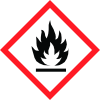
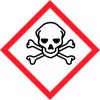
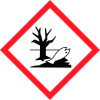
Icons in SDS


Company Information
company name
HEXPOL Compounding
e-mail address of the competent person responsible for the Safety Data Sheet
SDSREQUEST@HEXPOL.COM
GHS Information
Signal word
Danger
Section 2
Physical hazards
Flammable liquids Category 2
Health hazards
Not classified. OSHA defined hazards Not classified.
Signal word
Danger
Hazard statements
Highly flammable liquid and vapor. Fatal if swallowed. Suspected of causing cancer. Toxic to aquatic life. Toxic to aquatic life with long lasting effects.
Prevention
Obtain special instructions before use. Do not handle until all safety precautions have been read and understood. Keep away from heat/sparks/open flames/hot surfaces. - No smoking. Keep container tightly closed. Ground/bond container and receiving equipment. Use explosion-proof electrical/ventilating/lighting// equipment. Use only non-sparking tools. Take precautionary measures against static discharge. Wash thoroughly after handling. Do not eat, drink or smoke when using this product. Avoid release to the environment. Wear protective gloves/protective clothing/eye protection/face protection.
Response
If swallowed Immediately call a poison center/doctor/. If on skin (or hair) Take off immediately all contaminated clothing. Rinse skin with water/shower. If exposed or concerned: Get medical advice/attention. Specific treatment (see on this label). Rinse mouth. In case of fire: Use to extinguish. Collect spillage.
Storage
Store in a well-ventilated place. Keep cool. Store locked up.
Disposal
Dispose of contents/container to . Hazard(s) not otherwise Static accumulating flammable liquid can become electrostatically charged even in bonded and
Classified (HNOC)
grounded equipment. Sparks may ignite liquid and vapor. May cause flash fire or explosion.
Additional information
Encapsulation in the rubber matrix generally precludes hazardous exposure. However, some vapors may be released during hot processing, and the fabricator must take the necessary precautions (mechanical ventilation, respiratory protection, etc.) to protect employees from exposure.



