


Note: Ingredients listed on restricted chemical lists
EC/CAS
6484-52-2
Name of the chemical
Ammonium Nitrate (AN)
Concentration
N/A
EC/CAS
229-347-8
Name of the chemical
Ammonium nitrate (AN)
Concentration
N/A
General Information
Revision date
2014-03-31
Product name
ZAKsan
CAS No.
6484-52-2
1.2.1 Relevant identified uses
ZAKsan™ is a fertilizer
Icons in SDS
Company Information
company name
Grupa Azoty Zakłady Azotowe Kędzierzyn
e-mail address of the competent person responsible for the Safety Data Sheet
karta_nawozy@grupaazoty.com
GHS Information
Signal word
Danger
Hazard Codes
Hazard statements (CLP)
H272, H319
Hazard statements
Code
Statements
H272
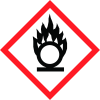
May intensify fire; oxidizer
H319
Causes serious eye irritation
Section 2
CLP CLASSIFICATION
Oxidising solid (category 3), Ox. Solid 3. (H272: May intensify fire; oxidiser) PZ-041*-02-01 Date of revision 31 March 2014 Issue №: 1 Revision №: 1 Serious eye irritation (category 2), Eye Irrit. 2. (H319: Causes serious eye irritation)
EU Classification
Directive 1999/45/EC O; R 8: Contact with combustible material may cause fire. Xi; R 36: Irritating to eyes.
Signal word
WARNING
Hazard pictograms
GHS03: GHS07:
Hazard statements
H272: May intensify fire; oxidiser. H319: Causes serious eye irritation.
Precautionary statements
P210: Keep away from heat/sparks/open flames/hot surfaces. — No smoking. P221: Take any precaution to avoid mixing with combustibles. P264: Wash hands thoroughly after handling. P280: Wear eye protection/face protection. P305+P351+P338 IF IN EYES Rinse cautiously with water for several minutes. Remove contact lenses, if present and easy to do. Continue rinsing. P337+P313 If eye irritation persists Get medical advice/attention
2.3 Other hazards
Based on available data it is concluded that ZAKsan™ does not meet the criteria for
PBT Substances
Persistent, Bioaccumulative and Toxic) and for vPvB (very Persistent and very Bioaccumulative) classifications. Prevent product entry to surface water and ground water. High concentrations of that substance will be responsible for secondary eutrophication of water reservoirs – rapid algal growth and decline of oxygen content in water.


