




Note: Ingredients listed on restricted chemical lists
EC/CAS
108-88-3
Name of the chemical
Toluene
Concentration
N/A
EC/CAS
106-97-8
Name of the chemical
n-Butan, enthält 0,1% Butadien
Concentration
N/A
EC/CAS
9004-70-0
Name of the chemical
Nitrocellulose
Concentration
N/A
EC/CAS
123-86-4
Name of the chemical
acetic acid, butyl ester
Concentration
N/A
EC/CAS
111-76-2
Name of the chemical
Ethylene glycol monobutyl ether (EGBE)
Concentration
N/A
EC/CAS
103-23-1
Name of the chemical
adipic acid, bis(2-ethylhexyl) ester
Concentration
N/A
EC/CAS
8052-41-3
Name of the chemical
Stoddard Solvent; Naphtha (petroleum), hydrodesulfurized heavy
Concentration
N/A
EC/CAS
13463-67-7
Name of the chemical
Reaction mass of titanium dioxide and silver chloride
Concentration
N/A
General Information
Revision date
2017-02-07
Product name
CAFE
1.2.1 Relevant identified uses
A protective and/or decorative finish or accompanying product (reference label or product data sheet for more information)
Manufacturer Name
Spill
Emergency telephone
(Spill, Leak, Exposure or Accident
Icons in SDS
Company Information
company name
Gemini Coatings
GHS Information
Signal word
Danger
Hazard Codes
Hazard statements (CLP)
H222, H280, H304, H315, H318, H340, H350, H360
Hazard statements
Code
Statements
H222
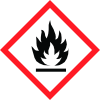
Extremely flammable aerosol
Section 2
Classifications
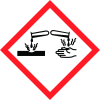
Flammable aerosol 1 Flammable aerosol class 1 Gas under pressure Compressed gas Entirely gaseous at -50°C Skin corrosive 2 Reversible adverse effects in dermal tissue, Draize score: >= 2.3 < 4.0 or persistent inflammation Eye corrosive 1 Serious eye damage: Irreversible damage 21 days after exposure, Draize score: Corneal opacity >= 3, Iritis > 1.5 Mutagen 1B Known to produce heritable mutations in human germ cellsSubcategory 1B, Positive results: In vivo heritable germ cell tests in mammals, Human germ cell tests, In vivo somatic mutagenicity tests, combined with some evidence of germ cell mutagenicity Carcinogen 1A Known Human Carcinogen Based on human evidence Reproductive toxin 1A Based on human evidence
Aspiration hazard
1 Aspiration Toxicity Category 1: Known (regarded)- human evidence - hydrocarbons with kinematic viscosity ? 20.5 mm2/s at 40° C.
Precautionary statements
H222 Extremely flammable material P201 Obtain special instructions before use H280 Contains gas under pressure; P202 Do not handle until all safety may explode if heated precautions have been read and H304 May be fatal if swallowed and understood enters airways P210 Keep away from heat/sparks/open H315 Causes skin irritation flames/hot surfaces – No smoking H318 Causes serious eye damage P211 Do not spray on an open flame or other H340 May cause genetic defects igntion source H350 May cause cancer P251 Pressurized container – Do not pierce H360 May damage fertility or the or burn, even after use unborn child P264 Wash any exposed skin thoroughly after handling P280 Wear protective gloves/protective clothing/eye protection/face protection P281 Use personal protective equipment as required P310 Immediately call a POISON CENTER or doctor/physician P321 Specific treatment (see First Aid section on this label) P331 Do NOT induce vomiting P362 Take off contaminated clothing and wash before reuse P301+P310 IF SWALLOWED: Immediately call a POISON CENTER or doctor/physician P302+P352 IF ON SKIN: Wash with soap and water P305+P351+P33 IF IN EYES: Rinse continuously with 8 water for several minutes. Remove contact lenses if present and easy to do – continue rinsing P308+P313 IF exposed or concerned: Get medical advice/attention P332+P313 If skin irritation occurs: Get medical advice/attention P405 Store locked up P410+P403 Protect from sunlight. Store in a well ventilated place P410+P412 Protect from sunlight. Do not expose to temperatures exceeding 50 °C/122 °F P501 Do not flush to sewer, watershed or waterway. Dispose of product in accordance with applicable local, county, state and federal regulations.
Signal word
Danger



