


Note: Ingredients listed on restricted chemical lists
EC/CAS
8052-41-3
Name of the chemical
Stoddard Solvent; Naphtha (petroleum), hydrodesulfurized heavy
Concentration
20-25
General Information
Revision date
2018-01-27
Product name
Matrix 103 Cold Process Adhesive
Manufacturer Name
GAF
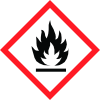
Icons in SDS


Company Information
company name
GAF
GHS Information
Signal word
Warning
Section 2
SECTION 2: Hazards identification
GHS Classification NFPA and HMIS RATINGS: NFPA Hazard HMIS Hazard Rating Health 2 Health 2 Flammable 2 Flammable 2 Reactive 0 Reactive 0 Special Hazards - Personal Protection X
2.1 Classification of the substance or mixture
Flammable Liquid - Category 3 Carcinogenicity - Category 1B Mutagenicity - Category 1B STOT RE – Category 1 GHS
Signal word
Warning
Hazard statements
Flammable liquid and vapor May cause genetic defects. May cause cancer. Causes damage to organs (central nervous system, eye, skin, lung, liver) through prolonged or repeated exposure.
Prevention
Keep away from heat / sparks / open flames / hot surfaces - No smoking. Keep cool. Ground / bond container and receiving equipment. Use explosion-proof electrical / ventilating / light / equipment. Use only non-sparking tools. Take precautionary measures against static discharge. Do not breathe mist / vapors / spray. Do not get in eyes, on skin, or on clothing. Wash thoroughly after handling. Do not eat, drink or smoke when using this product. Wear protective gloves / eye protection / face protection. ADDITONAL HAZARD IDENTIFICATION INFORMATION:
Principle Routes of Exposure
Inhalation, Skin Absorption, Ingestion, Eye SIGNS & SYMPTOMS OF EXPOSURE EYES: May cause irritation, blurred vision. SKIN: Prolonged contact may cause irritation and/or dermatitis. INGESTION: Can cause gastrointestinal irritation. INHALATION: Use with adequate ventilation. Inhalation of high vapor concentration may cause headaches and/or dizziness.
Acute Health Hazards
See above.
Health hazards
See below. CARCINOGENICITY: IARC has determined that occupational exposure to oxidized asphalt and its emissions is probably carcinogenic to humans (Group 2A). IARC concluded that available data from cancer studies in humans points to an association between exposures to oxidized asphalts during roofing and lung cancer and tumors in the upper aero-digestive tract. In addition, IARC found sufficient evidence of carcinogenicity in experimental animals for extracts and fume condensates of oxidized asphalts. NIOSH has concluded that the collective data from human, animal, genotoxicity and exposure studies provide sufficient evidence that roofing asphalt fumes are a potential occupational carcinogen.



