




Note: Ingredients listed on restricted chemical lists
EC/CAS
64742-95-6
Name of the chemical
Solvent naphtha (petroleum), light arom
Concentration
30 - 60
EC/CAS
98-82-8
Name of the chemical
Cumol (2022/692)
Concentration
50 ppm
General Information
Revision date
2014-12-21
Product name
LRF Millennium Surface Treatment
Manufacturer Name
GAF
Emergency telephone
800–424–9300
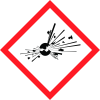
Icons in SDS


Company Information
company name
GAF
GHS Information
Signal word
Danger
Section 2
SECTION 2: Hazards identification
GHS Classification NFPA and HMIS RATINGS: NFPA Hazard HMIS Hazard Rating Health 2 Health 2 Flammable 2 Flammable 2 Reactive 0 Reactive 0 Special Hazards - Personal Protection X
2.1 Classification of the substance or mixture
Flammable Liquid - Category 1 Eye Irritant - Category 2A Skin Irritant - Category 2 Respiratory Irritant Target Organ (SE) - Category 3 Target Organ (RE) - Category 2 Acute Toxicity - Category 4 Aspiratory Toxicity – Category 1 Mutagenicity - Category 1B Cancinogen – Category 1B Hazardous to the Aquatic Environment - Category 2
Signal word
Danger
Hazard statements
Extremely Flammable liquid and vapor May cause damage to organs through prolonged or repeated exposure Harmful in contact with skin irritation May cause skin irritation Serious eye irritation Harmful if inhaled May cause respiratory irritation May be fatal if swallowed and enters airways Suspecting of damaging fertility or the unborn child May cause cancer May cause genetic defects May cause drossiness or dizziness Toxic to aquatic life with long lasting effects ADDITIONAL HAZARD IDENTIFICATION INFORMATION:
Principle Routes of Exposure
Inhalation, Skin Contact, Eye Contact SIGNS & SYMPTONS OF EXPOSURE EYES: Irritating to the eyes including a burning sensation, redness, swelling and blurred vision. SKIN: Irritating to the skin. May be absorbed through the skin. Repeating exposure may cause skin dryness or cracking. INGESTION: Ingestion may result in central nervous system (CNS) effects including headache, sleepiness, dizziness, slurred speech and blurred vision. INHALATION: May cause irritation to the nose and upper respiratory tract. Inhalation causes central nervous system (CNS) depression with symptoms such as weakness, dizziness, confusion and drowsiness.
Acute Health Hazards
See above.
Health hazards
Prolonged or repeated exposure may cause damage to the kidneys and liver. CARCINOGENICITY: None known.



