


Note: Ingredients listed on restricted chemical lists
EC/CAS
108-10-1
Name of the chemical
4-methylpentan-2-one; isobutyl methyl ketone (MIBK)
Concentration
N/A
EC/CAS
4098-71-9
Name of the chemical
3-isocyanatomethyl-3,5,5-trimethylcyclohexyl isocyanate
Concentration
N/A
EC/CAS
108-88-3
Name of the chemical
Toluene
Concentration
N/A
General Information
Revision date
2015-02-25
Product name
ISO 7600A
Emergency telephone
Spill, Leak, Fire, Exposure, or Incident
Icons in SDS
Company Information
company name
Forsch Polymer Corp
e-mail address of the competent person responsible for the Safety Data Sheet
Bill@forschpolymer.com, James@forschpolymer.com
GHS Information
Signal word
Danger
Section 2
2.1 Classification of the substance or mixture
C A Flammable Liquids 2 Acute Toxicity — Inhalation 4 Skin Corrosion/Irritation 2 Eye Damage/Irritation 2A Sensitization — Skin 1 Sensitization — Respiratory 1 Carcinogenicity 2 Toxic to Reproduction (unborn child) 2 STOT SE — Specific Target Organ Toxicity (Single Exposure) 3 STOT RE — Specific Target Organ Toxicity (Repeated Exposure) 2
Hazard pictograms
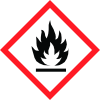
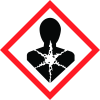
GHS02, GHS07, GHS08
Signal word
Danger
Hazard statements
Highly flammable liquid and vapor Causes skin irritation May cause an allergic skin reaction Causes serious eye irritation Harmful if inhaled May cause allergy or asthma symptoms or breathing difficulties if inhaled May cause respiratory irritation Suspected of causing cancer Suspected of damaging the unborn child May cause damage to organs (lungs) through prolonged or repeated (inhalation) exposure
Prevention
Obtain special instructions before use. Do not handle until all safety precautions have been read and understood. Keep away from heat, hot surfaces/sparks/open flames/hot surfaces. -No smoking. Keep container tightly closed. Ground/bond container and receiving equipment. Use explosion-proof electrical/ventilating/lighting/equipment. Use only non-sparking tools. Take precautionary measures against static discharge. Do not breathe dust/fume/gas/mist/vapors/spray. Wash thoroughly after handling. Use only outdoors or in a well-ventilated area. Contaminated work clothing must not be allowed out of the workplace. Wear protective gloves/protective clothing/eye protection/face protection. In case of inadequate ventilation, wear respiratory protection.
Response
In case of fire: Use water fog, foam, dry chemical powder, carbon dioxide (CO2) to extinguish. Specific treatment (see Section 8 on this label). If exposed or concerned: Get medical advice/attention. If on skin: Wash with plenty of water. If skin irritation or a rash occurs: Get medical advice/attention. Take off contaminated clothing and wash it before reuse. Wash contaminated clothing before reuse. If inhaled: Remove person to fresh air and keep comfortable for breathing. If experiencing respiratory symptoms: Call a poison/doctor. If in eyes: Rinse cautiously with water for several minutes. Remove contact lenses if present and easy to do. Continue rinsing. If eye irritation persists: Get medical advice/attention.
Storage
Store in a well-ventilated place. Keep container tightly closed. Keep cool. Store locked up.
Disposal
Dispose of contents and container in accordance with all local, regional, national and international regulations.
Additional information
Main symptoms: Skin irritation. May cause redness and pain. May cause allergic skin reaction. Dermatitis. Rash. Causes serious eye irritation. Symptoms may include stinging, tearing, redness, swelling, and blurred vision. Difficulty breathing. May cause allergy or asthma symptoms or breathing difficulties if inhaled. Animal tests and other research indicate that skin contact with isocyanates can play a role in causing isocyanate sensitization and respiratory reaction. Lung damage and respiratory sensitization may be permanent. Hazards not otherwise specified: Harmful to aquatic life with long lasting effects. 49.7% of the mixture consists of ingredient(s) of unknown acute toxicity



