


General Information
Product name
MONOCHLOROSILANE
Product Synonyms
Chlorosilane; Silane, chloro-; MCS
Chemical name
Chlorosilane; Silane, chloro-; MCS
CAS No.
13465-78-6
1.2.1 Relevant identified uses
Various
Emergency telephone
1-800-424-9300, +703-527-3887, 1-713/896-2896, 1-800/231-1366
Icons in SDS


Company Information
company name
FOR
e-mail address of the competent person responsible for the Safety Data Sheet
sds@airliquide.com
GHS Information
Signal word
Danger
Section 2
SECTION 2: Hazards identification
Directive 67/548/EEC: GLOBAL HARMONIZATION AND EU CLP REGULATION (EC) 1272/2208 LABELING AND CLASSIFICATION: This product has been classified per GHS Standards under European regulations. This is a self self-classification. classification. For information on EU classification under (67/548/EEC), see below. Flammable Gas Cat. 1, Acute Inhalation Toxicity Cat. 1, Acute Dermal Toxicity Cat. 3, Skin Corrosion Cat. 1A, STOT SE Corrosive to the Respiratory Tract
Signal word
Danger
Hazard statements
H220, H312, H330, H314, EUH029, EUH071
Precautionary statements
Codes P210, P233, P260, P262, P264, P270, P271, P280, P284, P304 + P340 + P310, P303 + P361 + P353, P305 + P320, P232, P283, P377, P381, P370 + P378, P410: P403 + P233, P405, P501
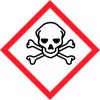
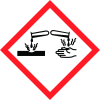
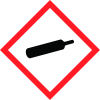
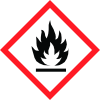
Hazard pictograms
GHS02, GHS04, GHS05, GHS06, GHS07 EU LABELING AND CLASSIFICATION: This product meets the classification of hazardous, as defined by the European Union Council Directive 67/548/EEC or subsequent Directives. This is a self-classification. Very Toxic, Extremely Flammable, Corrosive Risk Phrase Codes: R14, R12, R15/29, R26/27/28, R34 Safety Phrase Codes: S1/2, S8, S3/9/14, S16, S23, S26, S36/37/39, S33, S45 T+, F+, C See Section 16 for a full definition of Hazard and Precautionary Statements and Risk and Safety Phrases EMERGENCY OVERVIEW
Product definition
DANGER! Extremely flammable liqu quefied, toxic, corrosive gas; may cause flash fire. This gas is an extremely flammable, toxic and corrosive gas, wh hich is colorless and has a suffocating, pungent odor. Health H Hazards: Toxic or fatal if inhaled. Corrosive by all routes of exposure. Symptoms of exposure may be delayed. d. Eye contact may cause blindness. Burns can cau ause scars. May be harmful by skin absorption. Rapidly expanding ding gas can cause frostbite. Flammability Hazard ds: This gas is extremely flammable. Releases of this mixture wh hich have not spontaneously ignited must be considered dered extremely dangerous, and should not be approached. When hen involved in a fire, this gas will decompose to produ produce toxic fumes including chlorine, hydrogen chloride, hydrogen, a and oxides/oxanes of silicon. Reactivity Hazards: This gas will react violently with water to produce toxic and corrosi ive fumes of hydrogen chloride and hydrochloric a acid; hydrolyzation to acid is very rapid and can begin to attack st teel. Environmental Hazards: This gas may ca ause harm to terrestrial and aquatic organisms if accidentally relea leased. Emergency Response Considerations: Persons who respond to releases of this product must protect themselves from inhalation of this product, espe pecially in areas which are downwind of the release. Extreme cautio on must be used when responding to releases.



