


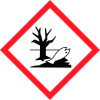
Note: Ingredients listed on restricted chemical lists
EC/CAS
216-823-5/1675-54-3
Name of the chemical
2,2'-[(1-methylethylidene)bis(4,1-phenyleneoxymethylene)]bisoxirane
Concentration
>75%
General Information
Revision date
2019-03-04
Product name
MVT
CAS No.
1675-54-3
REACH No
01-2119456619-26-0016,
1.2.1 Relevant identified uses
Epoxy Part A Floor Coating
Manufacturer Name
Florock Polymer Flooring
Emergency telephone
800-424-9300 (Chemtrec U.S. – 24 Hrs
Icons in SDS


Company Information
company name
Florock Polymer Flooring
GHS Information
Signal word
Warning
Hazard Codes
Hazard statements (CLP)
H315, H317, H319, H411
Hazard statements
Code
Statements
H315
Causes skin irritation
Section 2
SECTION 2: Hazards identification
1999/45/EC EMERGENCY OVERVIEW: This product is a clear liquid.
Health hazards
Exposure may cause skin and eye irritation. May cause allergic reaction of the skin Flammability Hazards: This product is a nonflammable liquid with a flash point of >200°F (>93°C). Reactivity Hazards: None known
Environmental hazards
The Environmental effects of this product have not been investigated. Release of this product may have significant adverse effects in the aquatic environment. 2.1 GHS LABELING AND CLASSIFICATION: CLASSIFICATION OF SUBSTANCE OR MIXTURE IN ACCORDANCE WITH 29 CFR 1200 (OSHA HCS) AND THE EUROPEAN UNION DIRECTIVES: This product does meet the definition of a hazardous substance or preparation as defined by 29 CFR 1910. 1200 AND the European Union Council Directives 67/548/EEC, 1999/45/EC, 1272/2008/EC and subsequent Directives. EU HAZARD CLASSIFICATION OF INGREDIENTS PER DIRECTIVE 1272/2008/EC: Index Number: EC# 216-823-5 Annex VI Index# 603-073-00-2 Substances not listed either individually or in group entries must be self classified. Component(s) Contributing to Classification(s) Epoxy Resin
Classification according to GHS
Skin Irritation Category 2 Eye Irritation Category 2A Skin Sensitizer Category 1 Aquatic Chronic Category 2
Hazard statements
H315: Causes skin irritation H319: Causes serious eye irritation H317: May cause allergic skin reaction H411: Toxic to aquatic life with long lasting effects
Prevention
P264: Wash thoroughly after handling. P272: Contaminated work clothing should not be allowed out of the workplace. P273: Avoid release to the environment. P280: Wear protective gloves, protective clothing/eye protection/face protection.
Response
P302+P352 IF ON SKIN Wash with plenty of water P321: Specific treatment (See Section 4 of this SDS). P305+P351+P338 IF IN EYES: Rinse cautiously with water for several minutes. Remove contact lenses, if present and easy to do. Continue rinsing. P337+P313 If eye irritation persists Get medical advice/attention P362+P364: Take off contaminated clothing and wash it before. P333+P313 If skin irritation or rash occurs Get medical advice/attention P391: Collect spillage.
Storage
None applicable
Disposal
P501: Dispose of contents/container in accordance with local/regional/national/international regulations. 2.3 HEALTH HAZARDS OR RISKS FROM EXPOSURE: SYMPTOMS OF OVEREXPOSURE BY ROUTE OF EXPOSURE: The most significant routes of overexposure for this product are by contact with skin and eyes. The symptoms of overexposure are described below. ACUTE: INHALATION: May cause respiratory irritation. CONTACT WITH SKIN: May cause skin irritation. May cause skin sensitization. EYE CONTACT: May cause serious eye irritation. INGESTION: May cause nausea or vomiting if swallowed. CHRONIC: No specific data available. TARGET ORGANS Acute Skin and Eyes Chronic No data available



