


General Information
Revision date
2024-07-15
Product name
SODIUM DODECYL SULFATE
Product Synonyms
SDS, Sodium lauryl sulfate, sodium dodecyl sulphate
CAS No.
151-21-3
Emergency telephone
(800) 424-9300
Icons in SDS


Company Information
company name
FLAMMABLE STORAGE CODE RED
GHS Information
Signal word
DANGER
Hazard Codes
Hazard statements (CLP)
H228, H302+H332, H315, H318, H335, H401, H412
Hazard statements
Code
Statements
H228
Flammable solid
Section 2
Signal word
DANGER
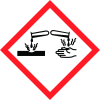
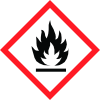
Hazard pictograms
GHS02 / GHS05 / GHS07 Target organs Eyes, Skin, Respiratory system
Precautionary statements
P210: Keep away from heat, hot surfaces, sparks, ope fl ames and other ignition sources. P240: Ground and bond container and receiving equipment. P241: Use explosion-proof equipment. Exclamation Mark Pictogram P261: Avoid breathing dust. Flame Pictogram P264+P265: Wash hands thoroughly after handling. Do not touch eyes. GHS Classifi cation: Flammable solids (Category 2) Acute toxicity - Oral (Category 4) Acute toxicity - Inhalation (Category 4) Skin irritation (Category 2) Serious eye damage (Category 1) STOT - Single exposure (Category 3) Aquatic acute (Category 1) Aquatic chronic (Category 3) P270: Do not eat, drink, or smoke when using this product. P271: Use only outdoors or with adequate ventilation. P273: Avoid release to the environment. P280: Wear protective gloves/protective clothing/eye protection/face protection. P301+P317+330 IF SWALLOWED get medical help. Rinse mouth P302+P352 IF ON SKIN Wash with plenty of water P362+P364: Take off contaminated clothing and wash before reuse. P304+P340 IF INHALED Remove person to fresh air and keep comfortable for breathing. P332+P317: Get medical help. GHS Label information
Hazard statements
H228 Flammable solid. H302 + H332 Harmful if swallowed or inhaled. H315 Causes skin irritation. H318 Causes serious eye damage. H335 May cause respiratory irritation H401 Toxic to aquatic life. H412 Very toxic to aquatic life with long lasting eff ects P305+P354+P338 IF IN EYES Rinse cautiously with water for 15 minutes. Remove contact lenses, if present and easy to do. Continue rinsing. P273: Avoid release to the environment. P391: Collect spillage. P403+P233: Store in a well-ventilated place. Keep container tightly closed. P405: Store locked up. P501: Dispose of contents/container to a licensed chemical disposal agency in accordance with local/regional/national regulations.
2.3 Other hazards
Health hazards not otherwise classifi ed (HHNOC) - Explosive when dry. Contact with acids liberates toxic gas. Physical hazards not otherwise classifi ed (PHNOC) - Not Known
2.1 Classification of the substance or mixture
Flammable solids (Category 2) P271: Use only outdoors or with adequate ventilation. Acute toxicity - Oral (Category 4) P273: Avoid release to the environment. Acute toxicity - Inhalation (Category 4) P280: Wear protective gloves/protective clothing/eye protection/face protection. Skin irritation (Category 2) P301+P317+330: IF SWALLOWED: get medical help. Rinse mouth. P302+P352: IF ON SKIN: Wash with plenty of water. Serious eye damage (Category 1) STOT - Single exposure (Category 3) P362+P364: Take off contaminated clothing and wash before reuse. Aquatic acute (Category 1) P304+P340: IF INHALED: Remove person to fresh air and keep comfortable for Aquatic chronic (Category 3) breathing. P332+P317: Get medical help. P305+P354+P338: IF IN EYES: Rinse cautiously with water for 15 minutes. Remove



