


General Information
Revision date
2015-04-13
Product name
Tri Clean
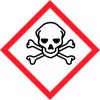
Icons in SDS
Company Information
company name
Finish Zone
GHS Information
Signal word
Danger
Hazard Codes
Hazard statements (CLP)
H301, H311, H331, H370
Hazard statements
Code
Statements
H301
Toxic if swallowed
Section 2
SECTION 2: Hazards identification
OSHA Flammable Liquids, Category 0 Acute Toxicity: Oral, Category 3 Acute Toxicity: Skin, Category 3 Acute Toxicity: Inhalation, Category 3 Specific Target Organ Toxicity (single exposure), Category 1
Signal word
Danger
Hazard statements
H301: Toxic if swallowed. H311: Toxic in contact with skin. H331: Toxic if inhaled. H370: Causes damage to organs.
Precautionary statements
P233: Keep container tightly closed. P240: Ground/bond container and receiving equipment. P260: Do not breathe gas/mist/vapors/spray. P264: Wash hands thoroughly after handling. P270: Do not eat, drink or smoke when using this product. P271: Use only outdoors or in a well-ventilated area. P280: Wear protective gloves/protective clothing/eye protection/face protection. P235: Keep cool.
Response
P301+310 IF SWALLOWED Immediately call a POISON CENTER or doctor/physician P302+352 IF ON SKIN Wash with plenty of soap and water P303+361+353 IF ON SKIN (or hair) Remove/take off immediately all contaminated clothing. Rinse skin with water/shower. P304+340 IF INHALED Remove victim to fresh air and keep at rest in a position comfortable for breathing. P307+311 IF exposed Call a POISON CENTER or doctor/physician P311: Call a POISON CENTER or doctor/physician. P330: Rinse mouth. P361: Remove/Take off immediately all contaminated clothing. P363: Wash contaminated clothing before reuse. P370+378: In case of fire, use dry chemical powder to extinguish.
Storage
P403+233: Store container tightly closed in well-ventilated place. P405: Store locked up. P501: Dispose of contents/container to local, state and federal regulations. Flammability Instability Hazard Rating System: HEALTH * 2 0 FLAMMABILITY 0 1 0 PHYSICAL 0 Health PPE X HMIS: NFPA: Special Hazard OSHA Regulatory Status: This material is classified as hazardous under OSHA regulations.
Potential health effects
Inhalation Acute Exposure Effects: (Acute and Chronic): Vapor harmful. May cause dizziness, headache, watering of eyes, irritation of respiratory tract, irritation to the eyes, drowsiness, nausea, other central nervous system effects, spotted or blurry vision, dilation of pupils, and convulsions. Skin Contact Acute Exposure Effects: May cause irritation, drying of skin, redness, and dermatitis. May cause symptoms listed under inhalation. May be absorbed through damaged skin. Eye Contact Acute Exposure Effects: May cause irritation. Ingestion Acute Exposure Effects: Poison. Cannot be made non-poisonous. May be fatal or cause blindness. May produce fluid in the lungs and pulmonary edema. May cause dizziness, headache, nausea, drowsiness, loss of coordination, stupor, reddening of face and or neck, liver, kidney and heart damage, coma, and death. May produce symptoms listed under inhalation. Chronic Exposure Effects: May cause symptoms listed under inhalation, dizziness, fatigue, tremors, permanent central nervous system changes, blindness, pancreatic damage, and death. Target Organs: Liver, kidneys, pancreas, heart, lungs, brain, central nervous system, eyes
Medical Conditions Generally Aggravated by Exposure
Diseases of the liver, skin, lung, kidney, central nervous system, pancreas, and heart; asthma; inflammatory or fibrotic pulmonary disease; any preexisting condition sensitive to a decrease in available oxygen, such as chronic lung disease, coronary artery disease, or anemias



